Historic Rosette Medallions and Steel Headers – Part II
We started looking at a few different rosette medallions at steel headers and lintels above openings in masonry facades, this past week. This past week, we talked about the structural aspects of this type of header construction. Essentially, bricks are very strong in a compressive strength resistance type position or perspective, but they lack tensile strength. They do not have the type of overall coherence to stay positioned when only secured from above.
We talked about some of the differences between a steel i-beam, c-channel, and shelf angles. Steel angles are used in many structural brick openings. They’re basically an L-shape. When two of them are paired together, back to back, they can have significant strength to both hold bricks up and also span across an opening where there is no support underneath of the steel member.
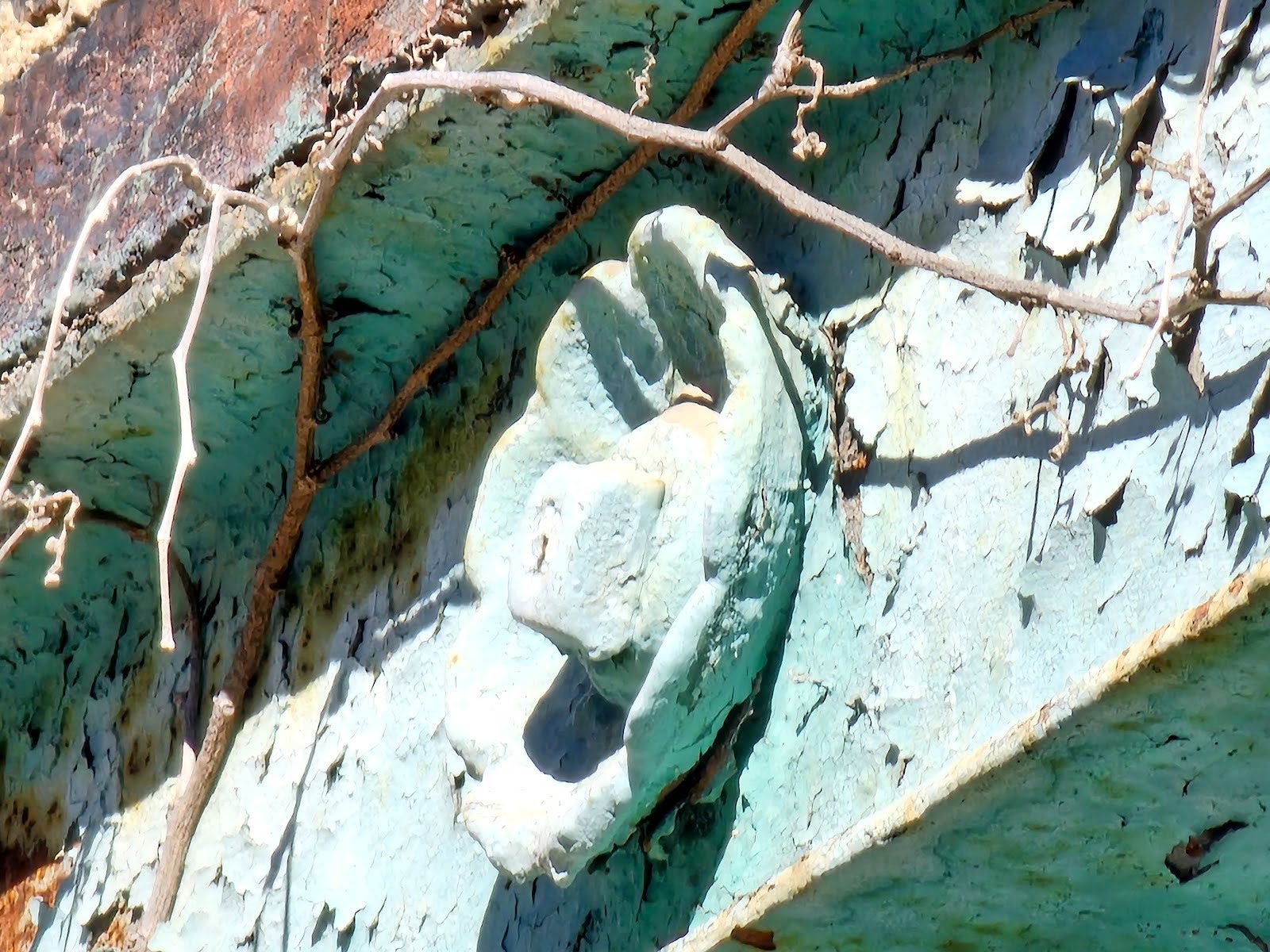
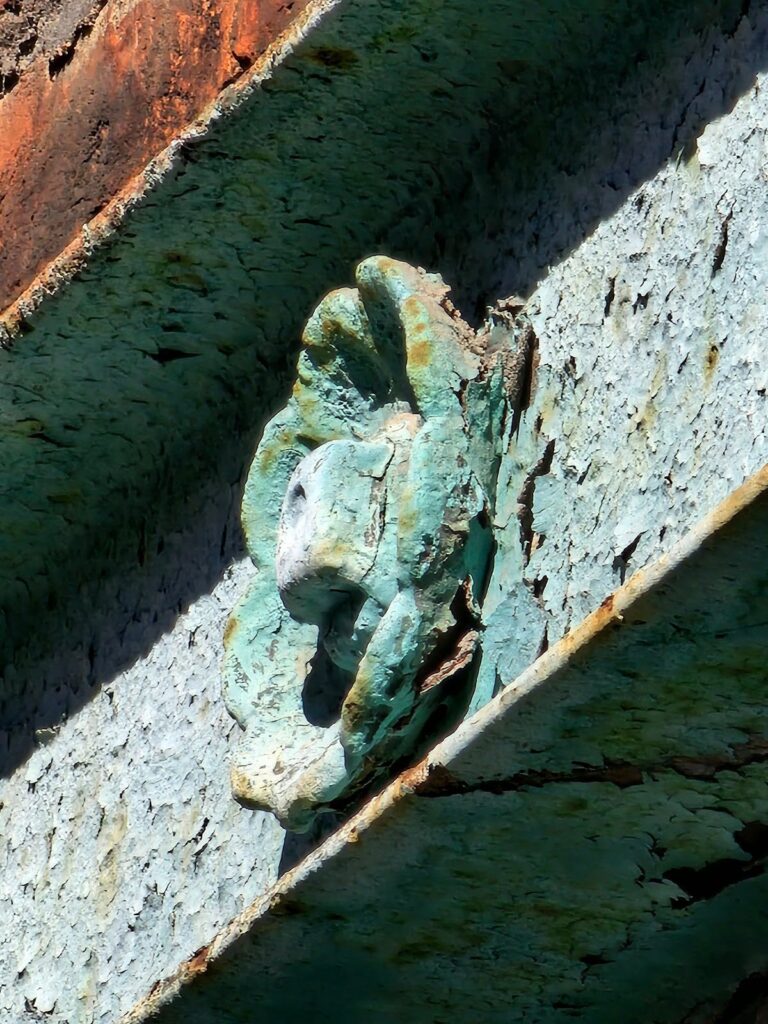
The picture above shows this particular rosette in the full sun. The next picture shows a similar adjacent rosette in partial shade. This particular rosette design happens to be from the mid-19th century. With the rise of the use of cast iron, aesthetic designs with detail like this began to become common in metal works. The rosette motif goes back for thousands of years all the way back to Mesopotamia. These designs were used in architectural symbolism, even way back in the deep history of human civilization.
Some people say that these designs were symbols used to encapsulate divinity and the power derived from the sun. Today, when we think of power derived from the sun we may think of it in the more literal sense such as photovoltaic solar power. But even outside of solar power in modern terms, the sun has been the fuel source which has energized the planet in almost every way for billions of years. Almost all of the plants that we eat and depend on for sustenance are fueled by sunlight, for example.
Even outside of the historic religions based on deities, this is just basic science.
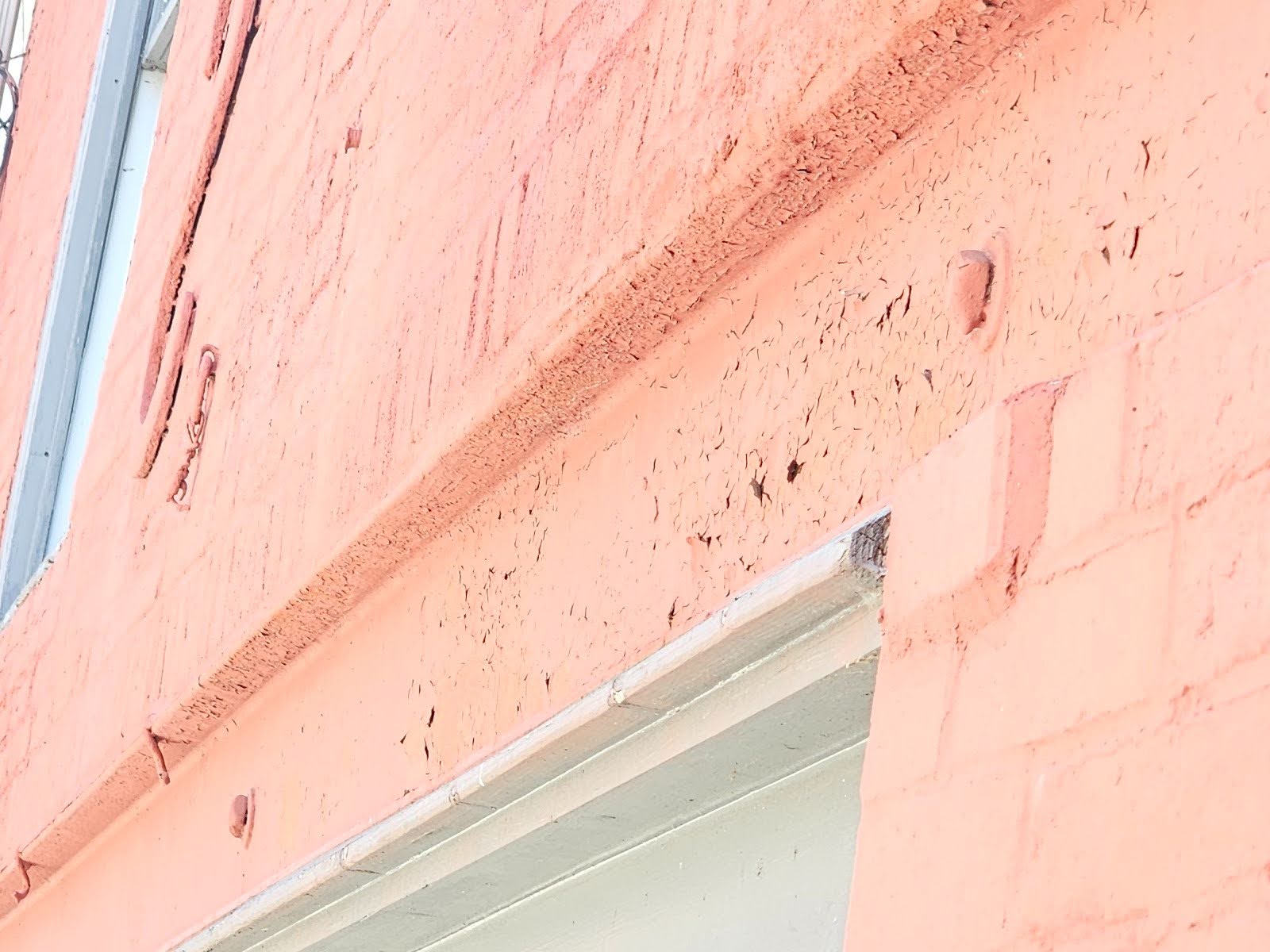
The next picture below shows a different garage opening header. This particular one has a very similar looking rosette. It works the same way. Although it is similar, this particular rosette is actually made in a very different way. The other ones that we looked at last week and above are made from cast iron. The ones were looking at below are more likely made from steel.
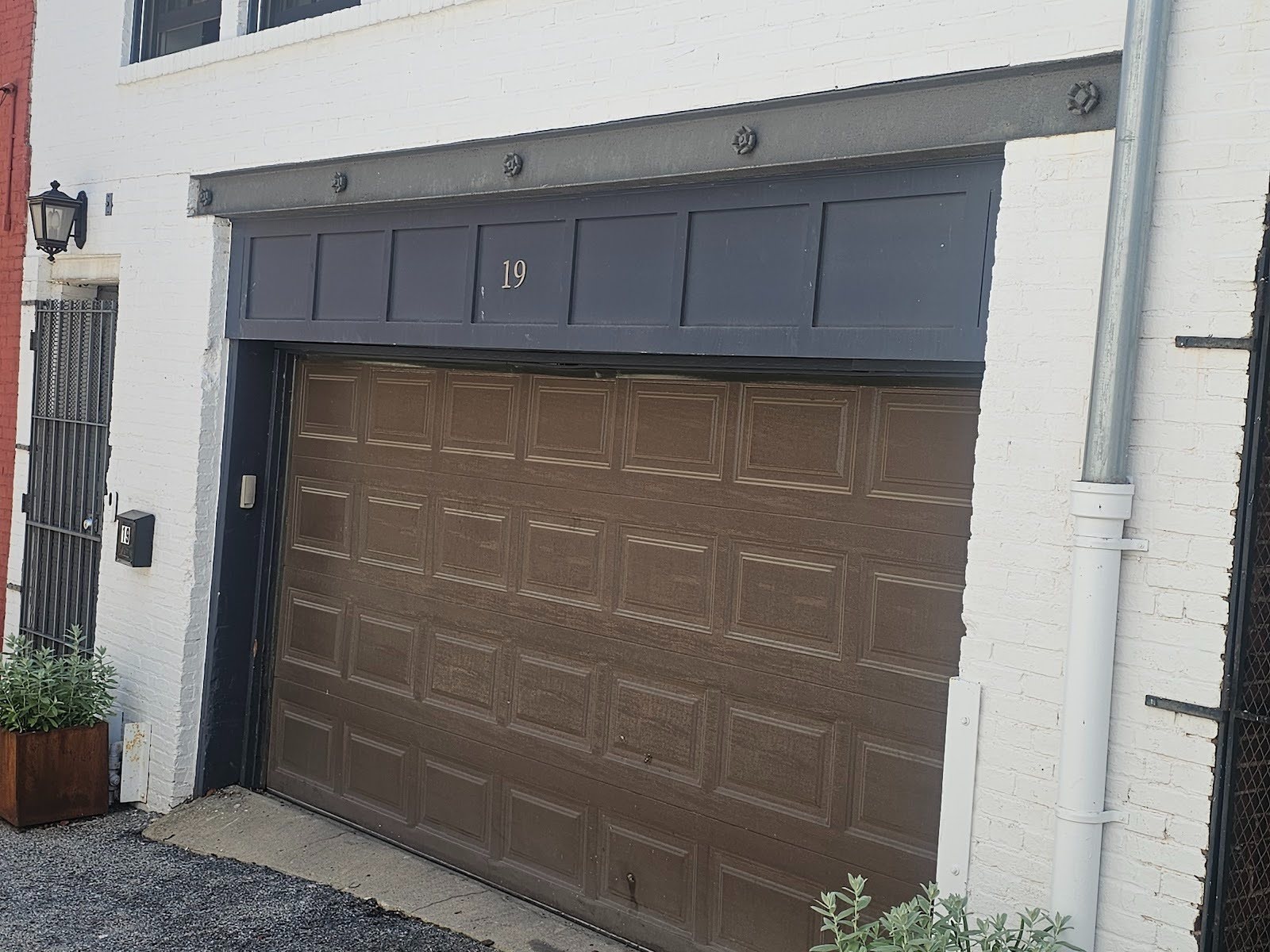
A closer view of one of these were just follows below. One of the big differences between cast iron and steel is that steel can be cut relatively easily, but it’s difficult to carve the surface of steel. It’s also difficult to carve the surface of cast iron, but cast iron is poured into a mold. That mold can be cast inside of a casting sand. When a hand carved wooden element, for example is impressed into a casting sand mold, the intricate details of the hand carving will be transferred onto the cast iron when the cast iron is poured in and a molten state.
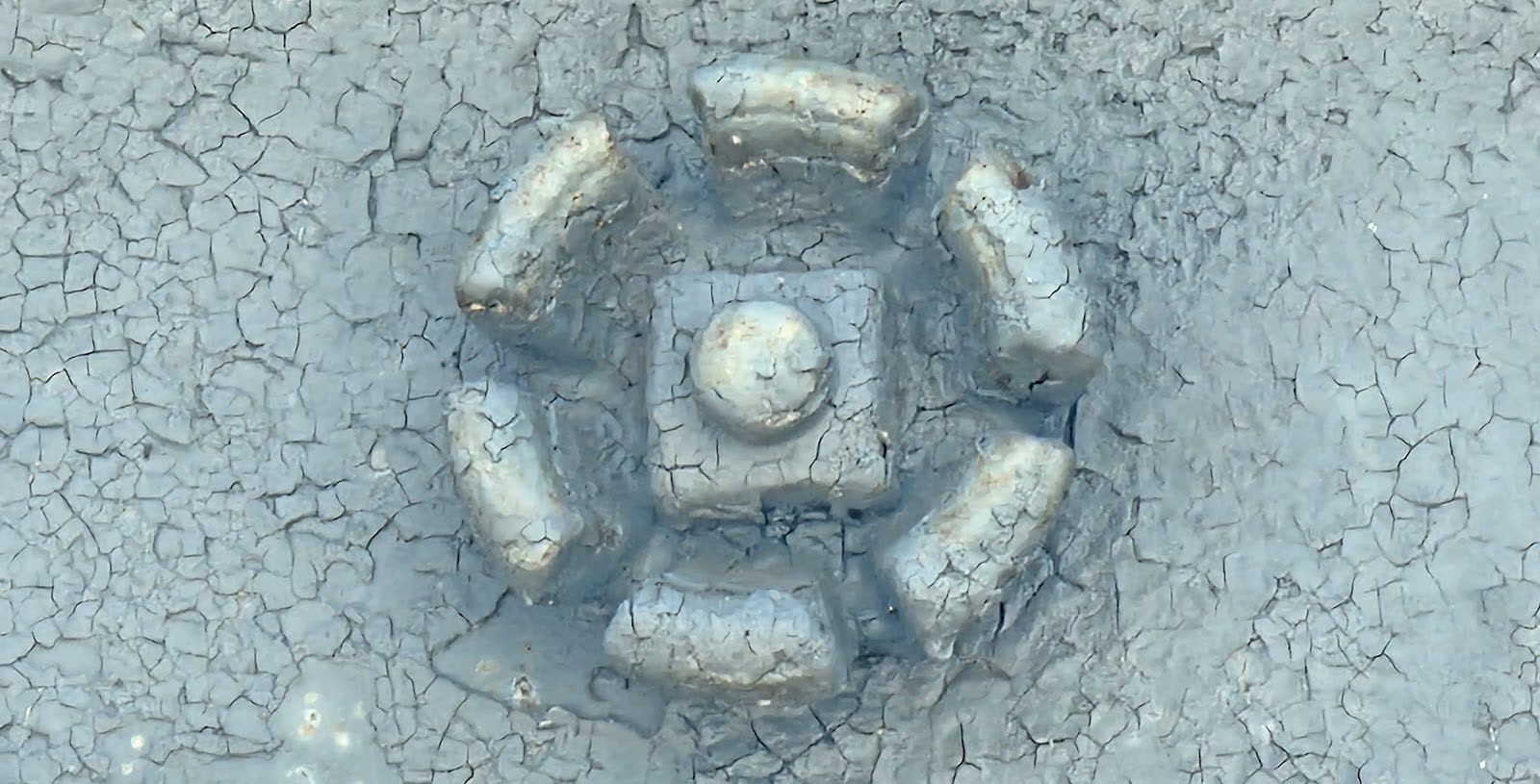
The aesthetic design is valuable from an architectural perspective, but it’s almost irrelevant from a functional perspective. From a functional perspective, as long as the bearing point of the expansive pressure resistance is large enough to resist tear through, the plate or washer is significant.
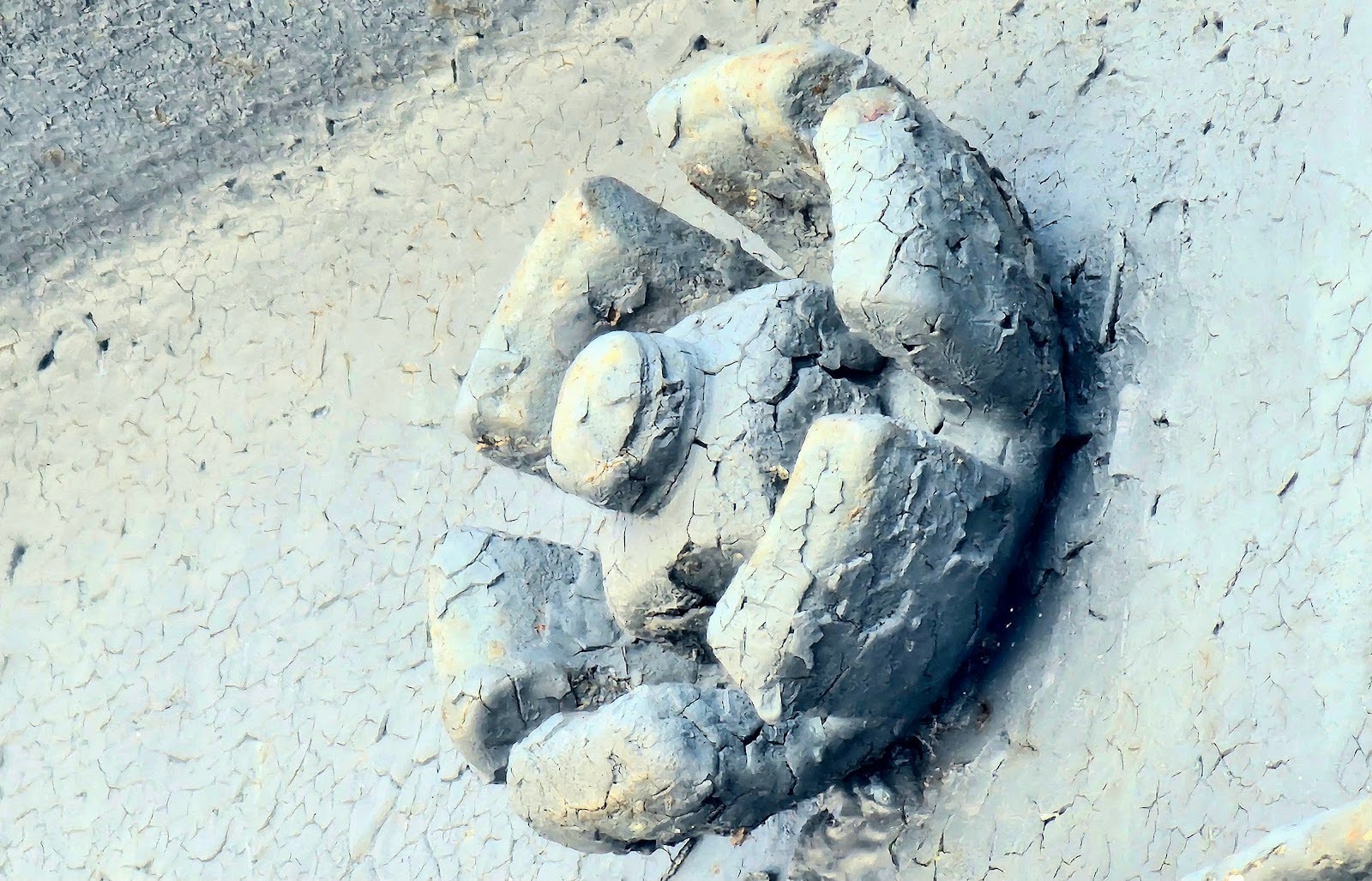
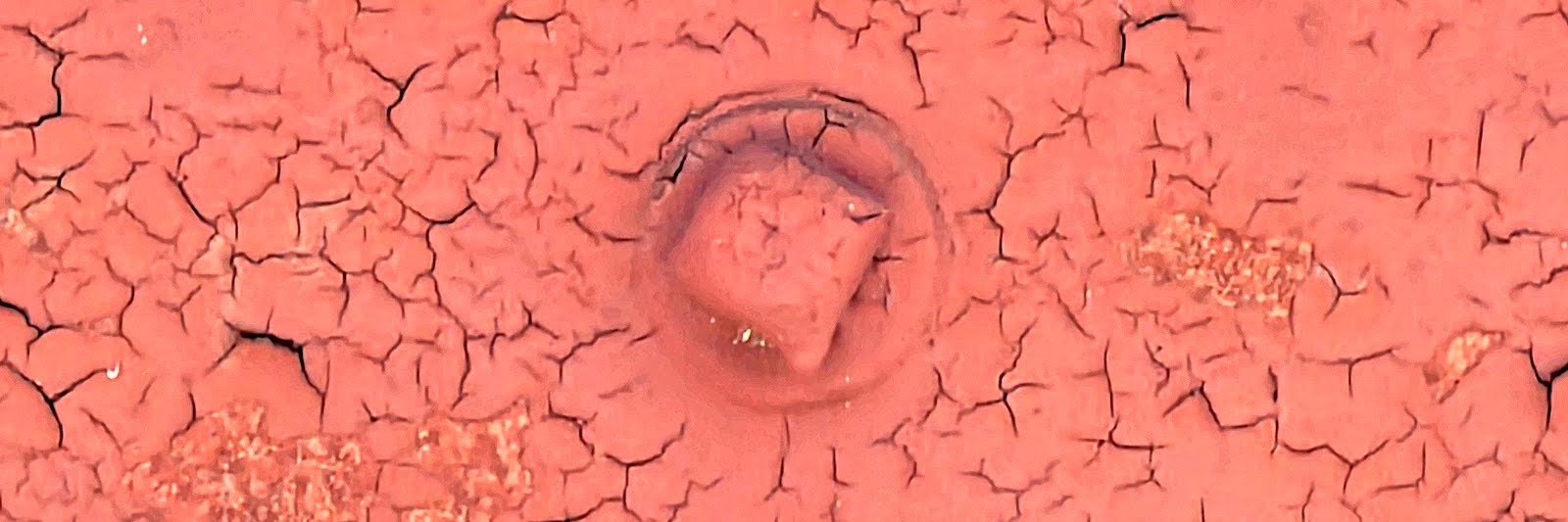
The picture below shows a very similar type of installation. However, one of the big differences between this installation and the ones above, aside from the color differences, is that here they have just used a flat round ring as a washer instead of a decorative rosette.
A much closer view of that washer and square bolt follows below.
Since our company, Dupont Tuckpointing and Masonry, specializes in masonry restoration, historic brick repointing, and tuckpointing services in the Washington D.C. area, we make it a point to study these types of issues. These buildings are uniquely historic, and their preservation requires skilled masons who are technically trained in the best practices and knowledge of proper restoration techniques.
We understand the significance of maintaining the architectural integrity of these historic structures, and our team of experienced professionals is dedicated to delivering exceptional craftsmanship. Whether you require masonry restoration, tuckpointing, or brick repointing services, we are here to help.
At Dupont Tuckpointing and Masonry, we take pride in our work and strive to ensure that every project is executed with the utmost care and attention to detail. We are committed to preserving the rich heritage of Washington D.C.’s built environment for generations to come.
If you have any questions or needs regarding masonry restoration, historic brick repointing, or tuckpointing services, please do not hesitate to reach out to us. We would be delighted to assist you and provide you with the expertise and quality workmanship that your historic property deserves.
You can reach us by telephone at (202) 796-7644 and you can reach us by email from the contact form on our website.