Steel Embeds in Masonry and Concrete – Part I

Steel Embeds in Masonry and Concrete in DC

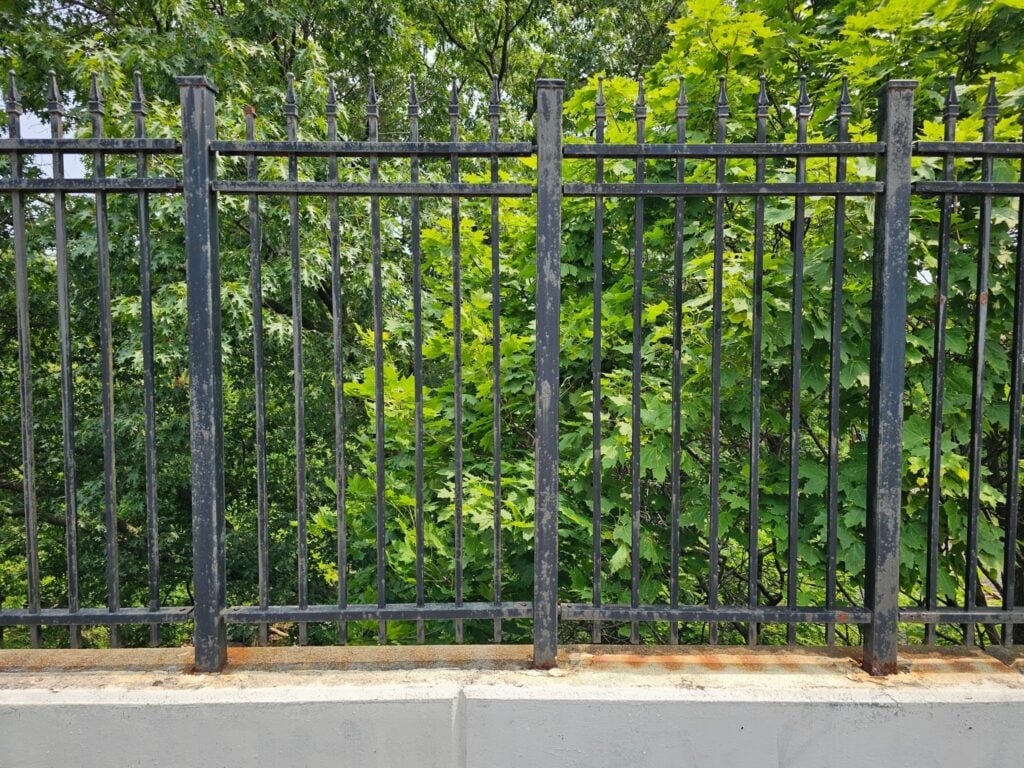
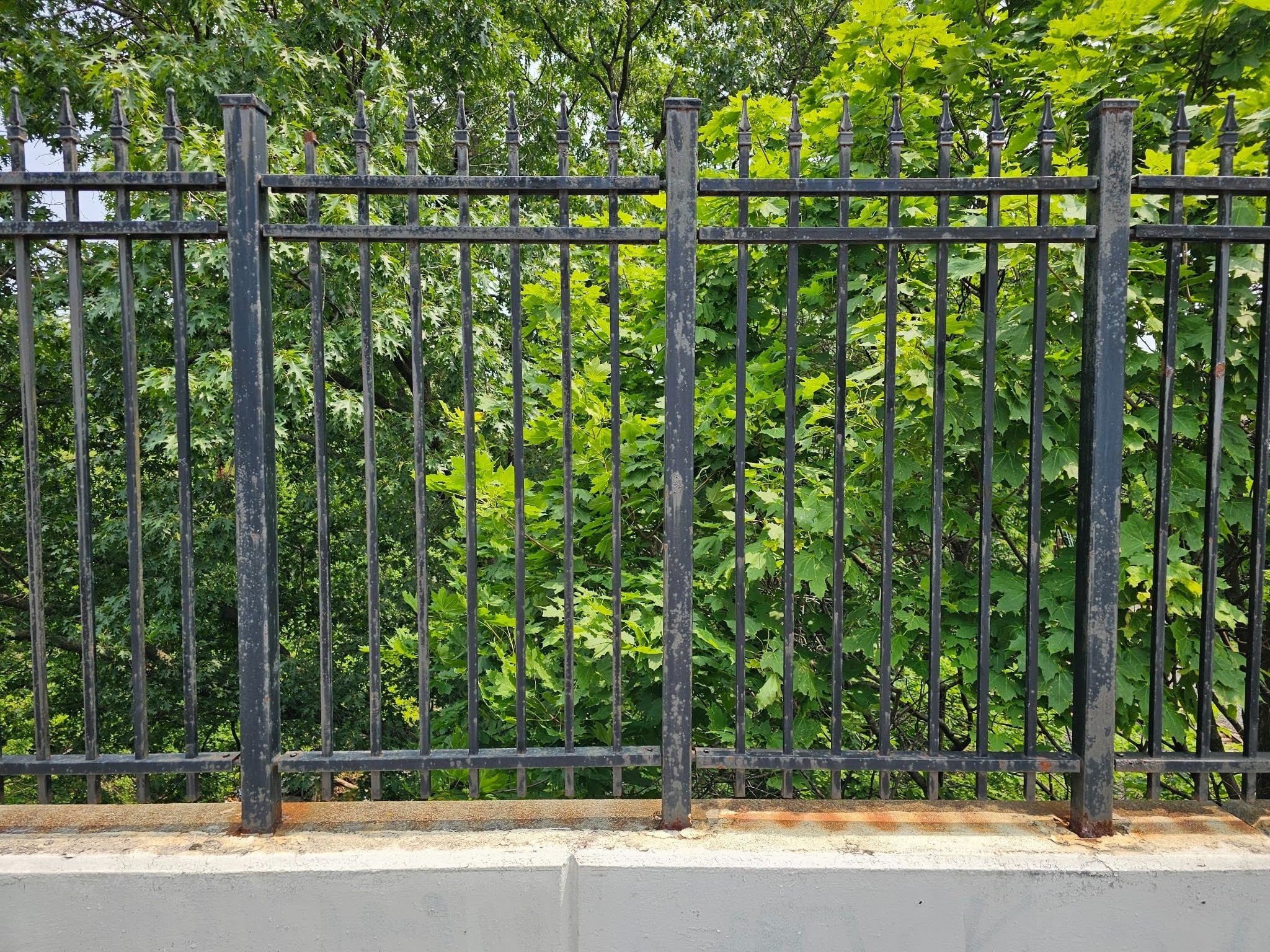
Today, we’re looking at a relatively typical type of steel fence that set on top of a concrete substrate. This particular substrate happens to be in the form of a curb which raises the level of the fence slightly above the adjacent grade. Whether fences or partitions are made of masonry, concrete, steel, or wood, they all require upkeep and maintenance.

Nowadays they even make some types of fences from PVC, fiberglass, or even synthetic materials which require less maintenance. All of these different types of materials require a degree of continuous upkeep and maintenance though and will all deteriorate on their own, naturally.

They all need to be connected into the ground or on top of the hardscape or paving.  Here, in mounting to the curb, the steel has been embedded into the concrete.

As far as aesthetic decisions are concerned, there’s almost no question, the classic iron and steel look is one of the best options for places like here in Washington DC where we are surrounded by historic and significant architecture.  It allows for a bit of openness, but it looks substantial and more elegant than wood fences.

Masonry walls can be built around perimeters of spaces, but masonry will usually completely block the area from visual openness. Masonry happens to look beautiful. It has a timeless classic quality. Often, that isolated and separated feel is needed, depending on the nature of the space. Particularly in backyards or courtyards where you want a feel of privacy, masonry is one of the best options.

In contrast, if you want the space to feel open yet still have separation from access, steel and classic iron work is probably the best option.  

In this particular installation, the 2×2 steel posts have been embedded deep into the concrete substrate. There is a curb that sets the limit to the transition of the landscaping. These posts are set not just into the curb but even farther down beyond the depth of the curb itself. In this case the curb is only about 7.5 inches tall. With an embedment of only 7.5 inches into the concrete, it gives a post like this very little resistance from any type of contact and even low resistance from typical weather events like high winds.

A deeper insertion will create structural resistance through a cantilevered embedment that can resist lateral forces. That type of structural resistance is often called moment resistance or rotational resistance.

The words themselves may seem a little bit confusing.
Today, we're looking at a relatively typical type of steel fence that set on top of a concrete substrate. This particular substrate happens to be in the form of a curb which raises the level of the fence slightly above the adjacent grade. Whether fences or partitions are made of masonry, concrete, steel, or wood, they all require upkeep and maintenance. Nowadays they even make some types of fences from PVC, fiberglass, or even synthetic materials which require less maintenance. All of these different types of materials require a degree of continuous upkeep and maintenance though and will all deteriorate on their own, naturally. They all need to be connected into the ground or on top of the hardscape or paving. Here, in mounting to the curb, the steel has been embedded into the concrete. As far as aesthetic decisions are concerned, there's almost no question, the classic iron and steel look is one of the best options for places like here in Washington DC where we are surrounded by historic and significant architecture. It allows for a bit of openness, but it looks substantial and more elegant than wood fences. Masonry walls can be built around perimeters of spaces, but masonry will usually completely block the area from visual openness. Masonry happens to look beautiful. It has a timeless classic quality. Often, that isolated and separated feel is needed, depending on the nature of the space. Particularly in backyards or courtyards where you want a feel of privacy, masonry is one of the best options. In contrast, if you want the space to feel open yet still have separation from access, steel and classic iron work is probably the best option. In this particular installation, the 2x2 steel posts have been embedded deep into the concrete substrate. There is a curb that sets the limit to the transition of the landscaping. These posts are set not just into the curb but even farther down beyond the depth of the curb itself. In this case the curb is only about 7.5 inches tall. With an embedment of only 7.5 inches into the concrete, it gives a post like this very little resistance from any type of contact and even low resistance from typical weather events like high winds. A deeper insertion will create structural resistance through a cantilevered embedment that can resist lateral forces. That type of structural resistance is often called moment resistance or rotational resistance. The words themselves may seem a little bit confusing. When you think of the words used here for this type of structural resistance, you might automatically think of things slightly differently, just from intuition. Starting with the concept of moment resistance, that's the type of resistance that is achieved by inserting these posts down into the concrete substrate. We say they are vertically cantilevered because although they are embedded into the concrete for purposes of structural resistance, they stick out and project beyond the concrete and that resistance extends with them. Interestingly, the resistance decreases relative to the distance by which they protrude and extend away from the point of structural mooring. When you refer to this as a moment resistance, in structural terms, you think of time. A moment is a word that describes a brief amount of time. Here though, although it sounds very different, it actually has a similar root, etymologically speaking, in the definition of the word. In the early centuries of the understanding of physics, people referred to the movement of objects with a root word that's shared with the word moment. The understanding of that type of force, related to movement, was based on motion which was also connected, not just to the change of position, but also to the rate of change, relative to time. We also think there's a little bit of confusion that people also experience when calling this a rotational force resistance. That type of rotational force resistance refers to the individual post's resistance to tilt over. It doesn't specifically refer to the posts resistance from twisting around rotationally. That difference is important because they resist movement or force very differently depending on the positioning of the particular object. The embedment and the interconnection between the adjacent rails and panels of the steel offers significant resistance to twisting. Only the post, though, offers resistance to the actual rotational force that poses risk to the fence. That type of rotational force is related to pressure applied to the vertical position of the plane of the fence. Since our company, Dupont Tuckpointing and Masonry, specializes in masonry restoration, historic brick repointing, and tuckpointing services in the Washington D.C. area, we make it a point to study these types of issues. These buildings are uniquely historic, and their preservation requires skilled masons who are technically trained in the best practices and knowledge of proper restoration techniques. We understand the significance of maintaining the architectural integrity of these historic structures, and our team of experienced professionals is dedicated to delivering exceptional craftsmanship. Whether you require masonry restoration, tuckpointing, or brick repointing services, we are here to help. At Dupont Tuckpointing and Masonry, we take pride in our work and strive to ensure that every project is executed with the utmost care and attention to detail. We are committed to preserving the rich heritage of Washington D.C.'s built environment for generations to come. If you have any questions or needs regarding masonry restoration, historic brick repointing, or tuckpointing services, please do not hesitate to reach out to us. We would be delighted to assist you and provide you with the expertise and quality workmanship that your historic property deserves. You can reach us by telephone at (202) 796-7644 and you can reach us by email from the contact form on our website at https://duponttuckpointingmasonrydc.com/contact-us/.

When you think of the words used here for this type of structural resistance, you might automatically think of things slightly differently, just from intuition. Starting with the concept of moment resistance, that’s the type of resistance that is achieved by inserting these posts down into the concrete substrate.

We say they are vertically cantilevered because although they are embedded into the concrete for purposes of structural resistance, they stick out and project beyond the concrete and that resistance extends with them. Interestingly, the resistance decreases relative to the distance by which they protrude and extend away from the point of structural mooring.

When you refer to this as a moment resistance, in structural terms, you think of time. A moment is a word that describes a brief amount of time.

Here though, although it sounds very different, it actually has a similar root, etymologically speaking, in the definition of the word. In the early centuries of the understanding of physics, people referred to the movement of objects with a root word that’s shared with the word moment. The understanding of that type of force, related to movement, was based on motion which was also connected, not just to the change of position, but also to the rate of change, relative to time.

We also think there’s a little bit of confusion that people also experience when calling this a rotational force resistance. That type of rotational force resistance refers to the individual post’s resistance to tilt over. It doesn’t specifically refer to the posts resistance from twisting around rotationally. That difference is important because they resist movement or force very differently depending on the positioning of the particular object.

The embedment and the interconnection between the adjacent rails and panels of the steel offers significant resistance to twisting.

Only the post, though, offers resistance to the actual rotational force that poses risk to the fence. That type of rotational force is related to pressure applied to the vertical position of the plane of the fence.
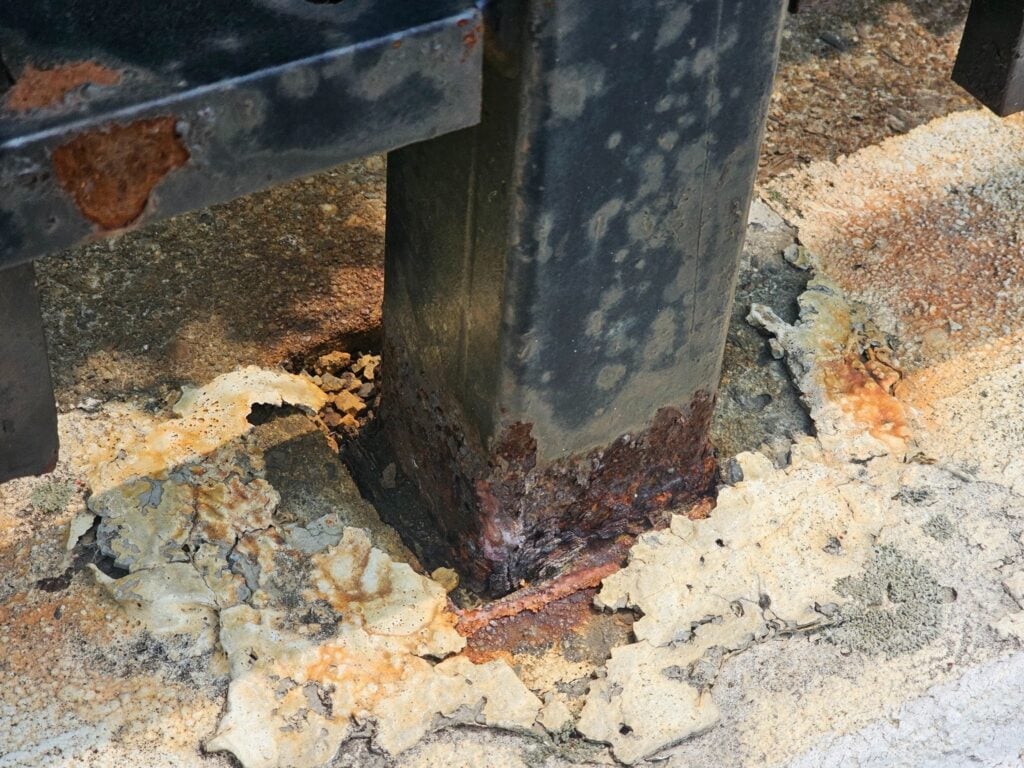
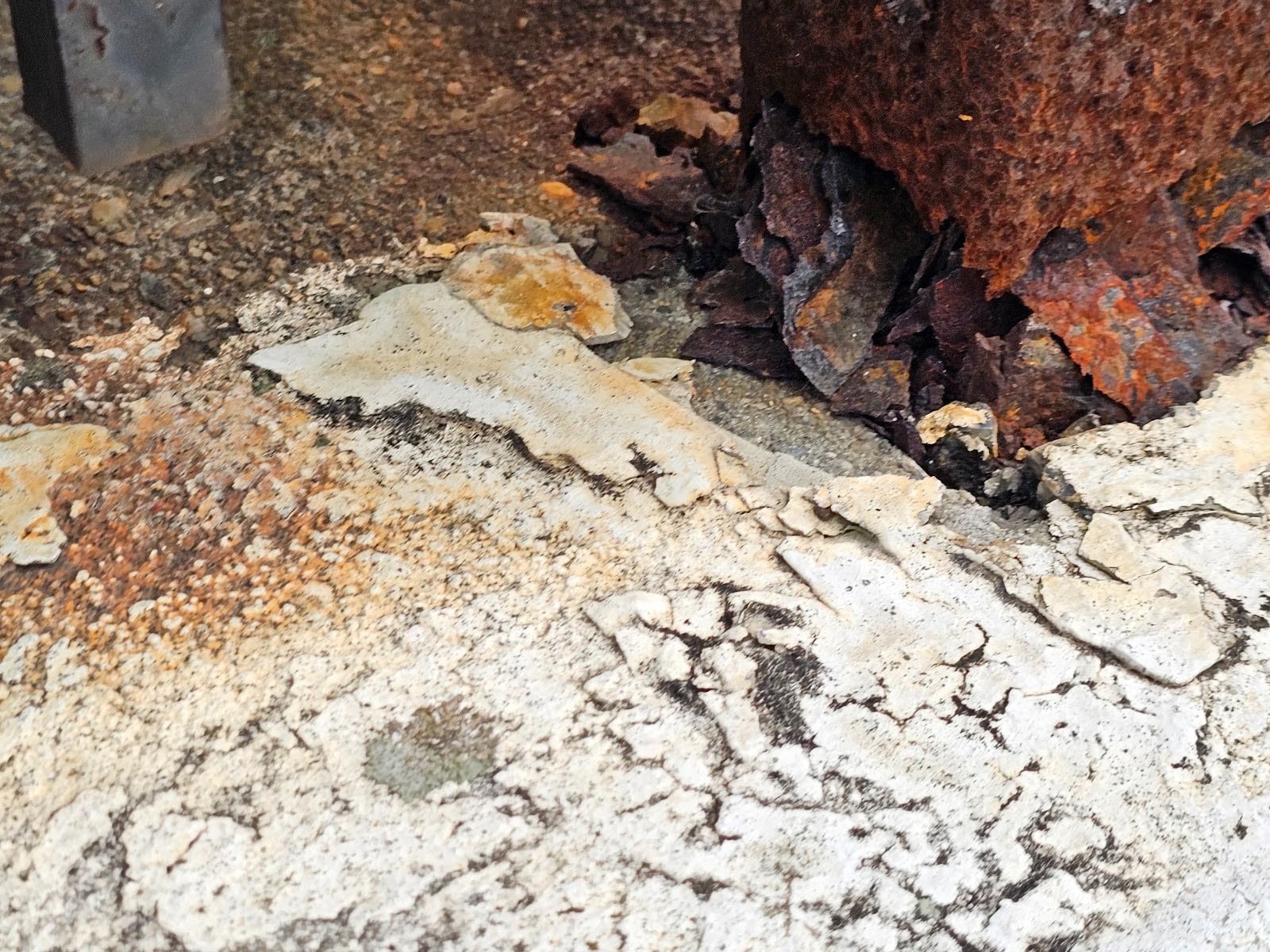
Steel embed connections within masonry and concrete

Since our company, Dupont Tuckpointing and Masonry, specializes in masonry restoration, historic brick repointing, and tuckpointing services in the Washington D.C. area, we make it a point to study these types of issues. These buildings are uniquely historic, and their preservation requires skilled masons who are technically trained in the best practices and knowledge of proper restoration techniques.

We understand the significance of maintaining the architectural integrity of these historic structures, and our team of experienced professionals is dedicated to delivering exceptional craftsmanship. Whether you require masonry restoration, tuckpointing, or brick repointing services, we are here to help.

At Dupont Tuckpointing and Masonry, we take pride in our work and strive to ensure that every project is executed with the utmost care and attention to detail. We are committed to preserving the rich heritage of Washington D.C.’s built environment for generations to come.

If you have any questions or needs regarding masonry restoration, historic brick repointing, or tuckpointing services, please do not hesitate to reach out to us. We would be delighted to assist you and provide you with the expertise and quality workmanship that your historic property deserves.

You can reach us by telephone at (202) 796-7644 and you can reach us by email from the contact form on our website.
On Key

Related Posts

Structural Clay Tile

Structural Clay Tile in Historic Washington DC Today we’re looking at structural clay tile, a type of masonry that isn’t really common in most of