tuckpointing tips
Deterioration in Historic Mortar – Part II of II
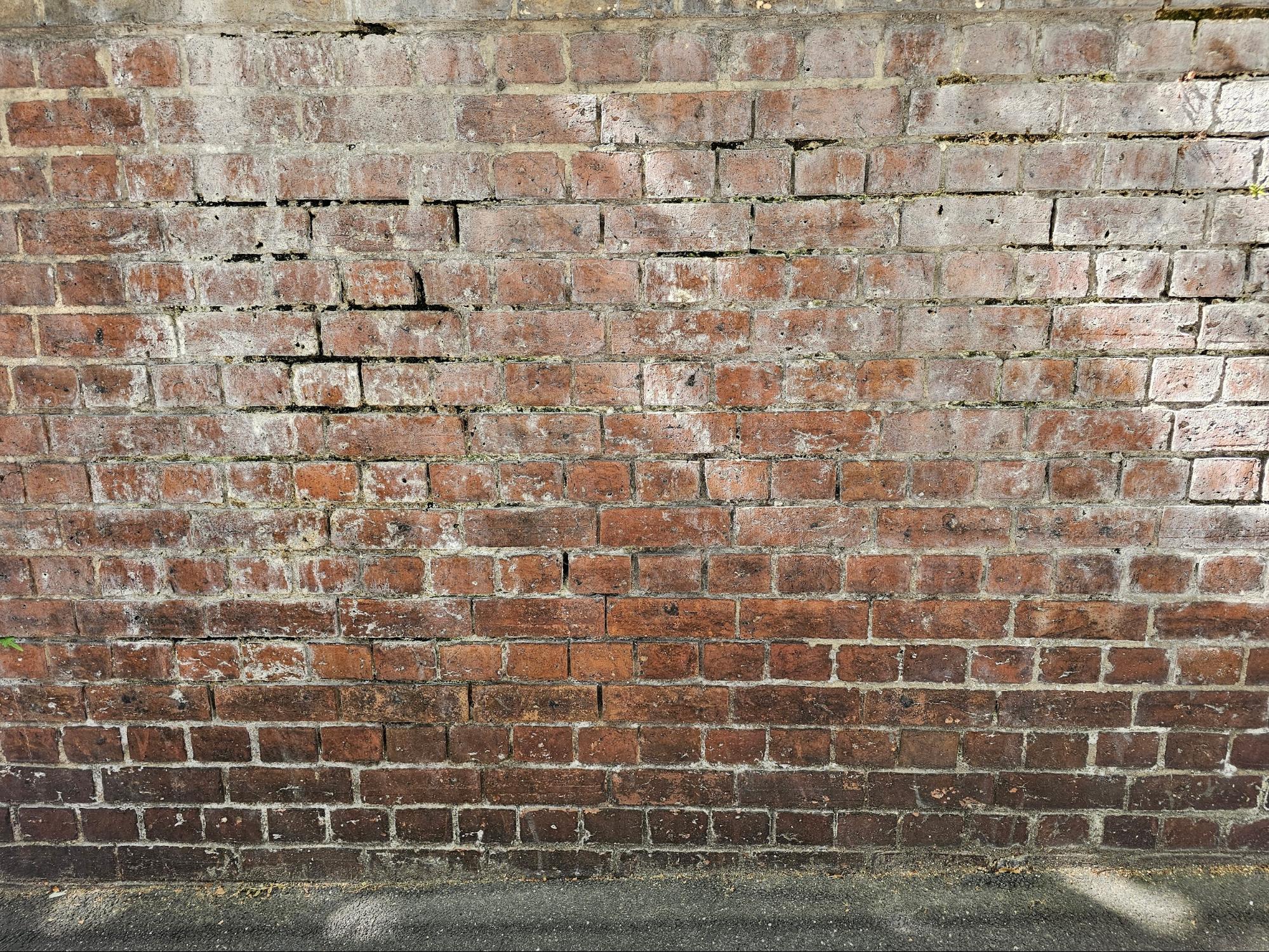
Last week we started looking at a few different historic brick walls with severe deterioration at the motor joints. We talked about some of the
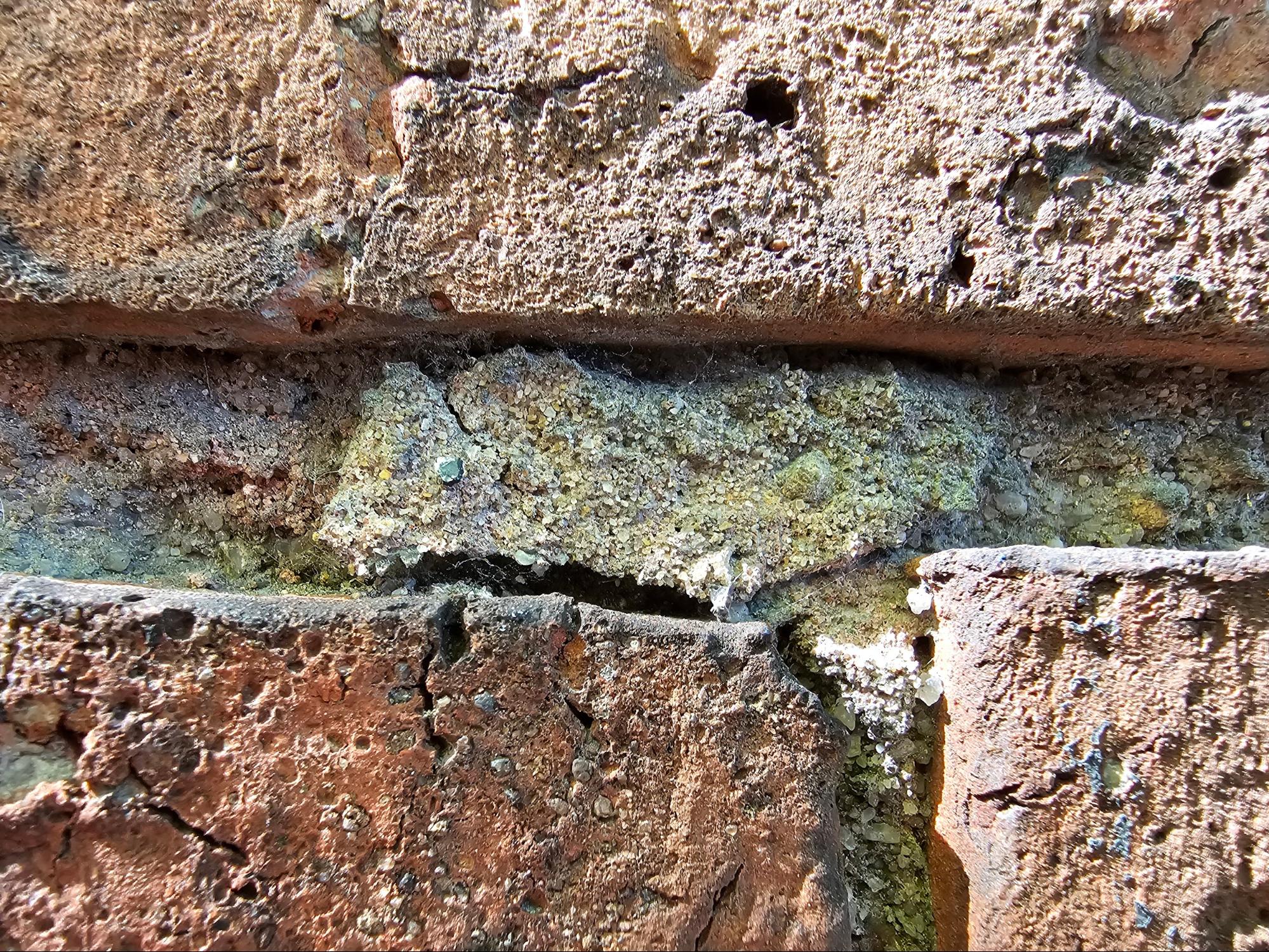
Last week we started looking at a few different historic brick walls with severe deterioration at the motor joints. We talked about some of the
The Role of Mortar in Historic Buildings Mortar, the binding agent used in masonry construction, plays a crucial role in the stability and longevity of
Vertical control joints in masonry facades serve a similar purpose to horizontal control joints, but with some differences in placement and function. Both types of
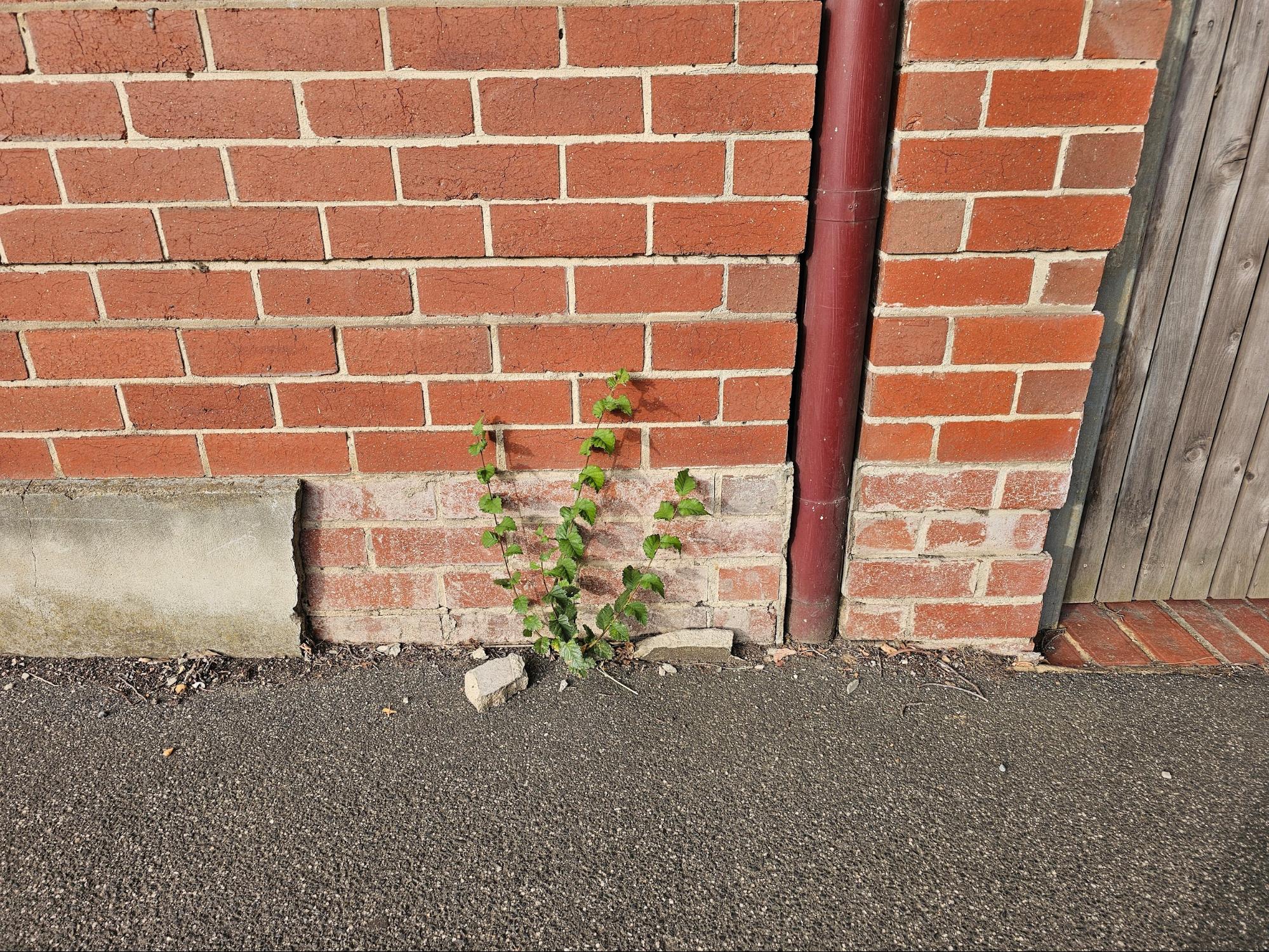
As a historic masonry restoration specialist, our work often takes us to somewhat unique elements of historic masonry. Recently, we examined an area of
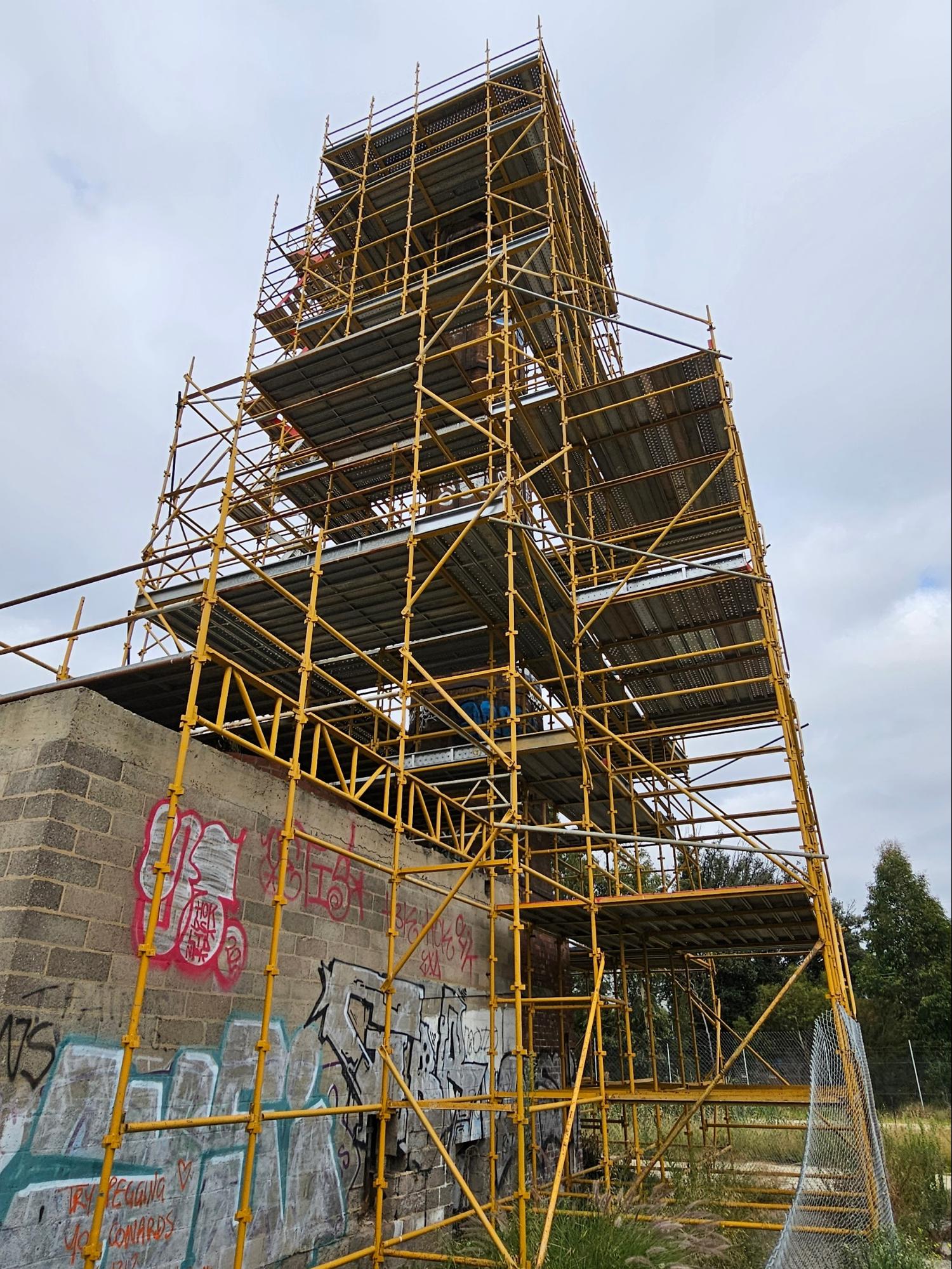
Recently, we had an unique opportunity to see a historic brick masonry smoke chimney built over 100 years ago. Back in the late 1800s and
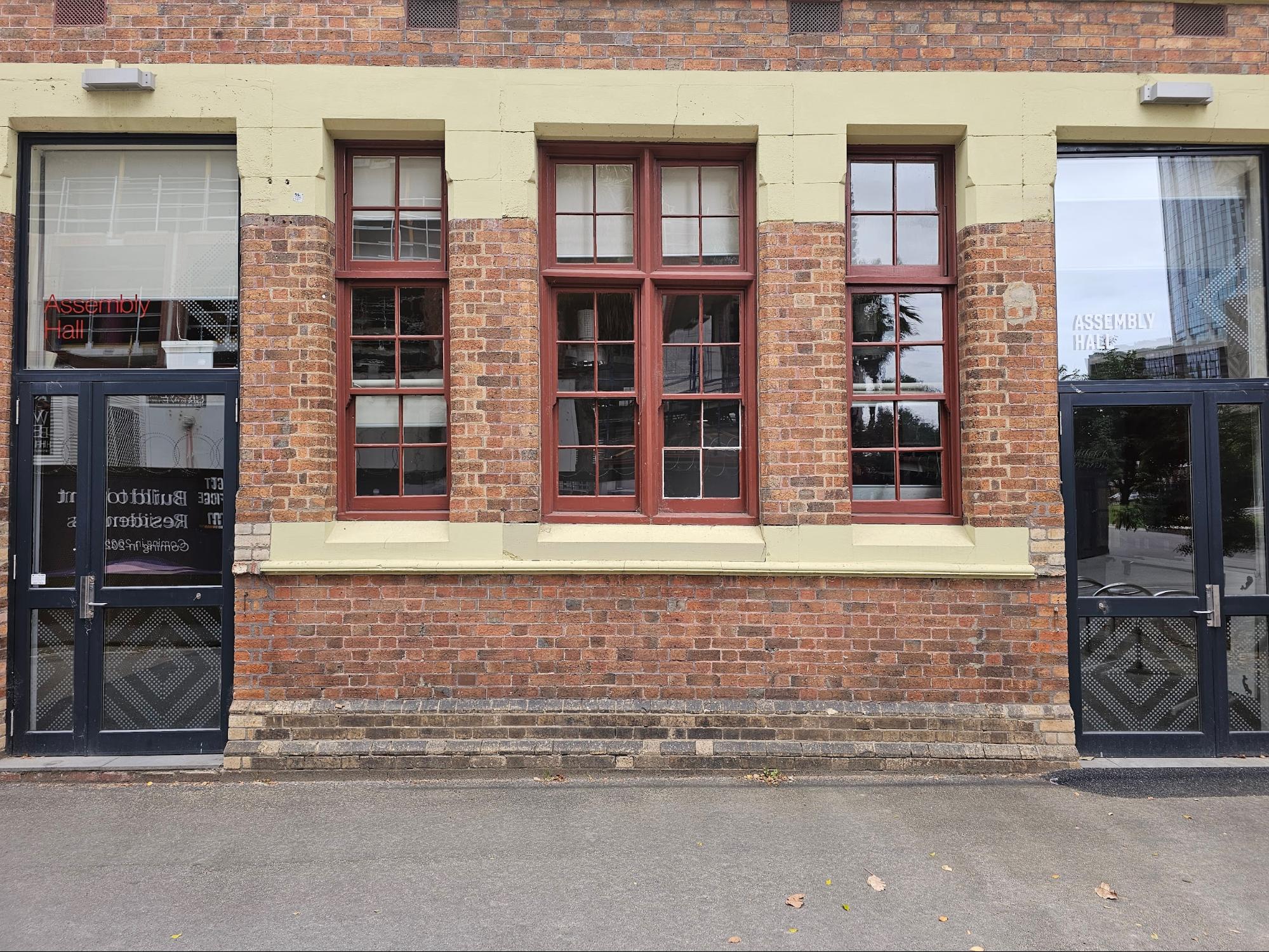
In recent weeks we took a close look at a brickbond called the English Bond, this particular type of bond has an aesthetic quality and
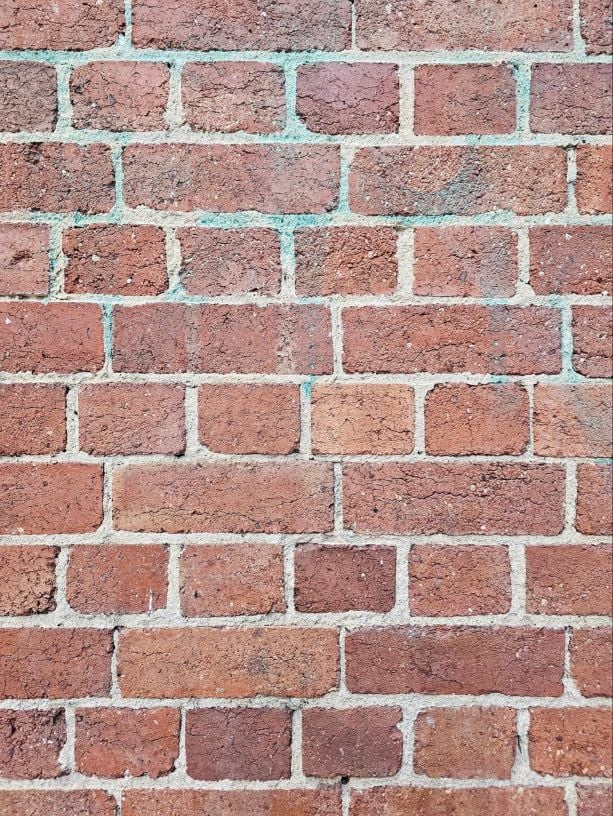
An example of a classic and common historic masonry design is English bond. This configuration and bricklaying technique interlocks the brick courses in a specific
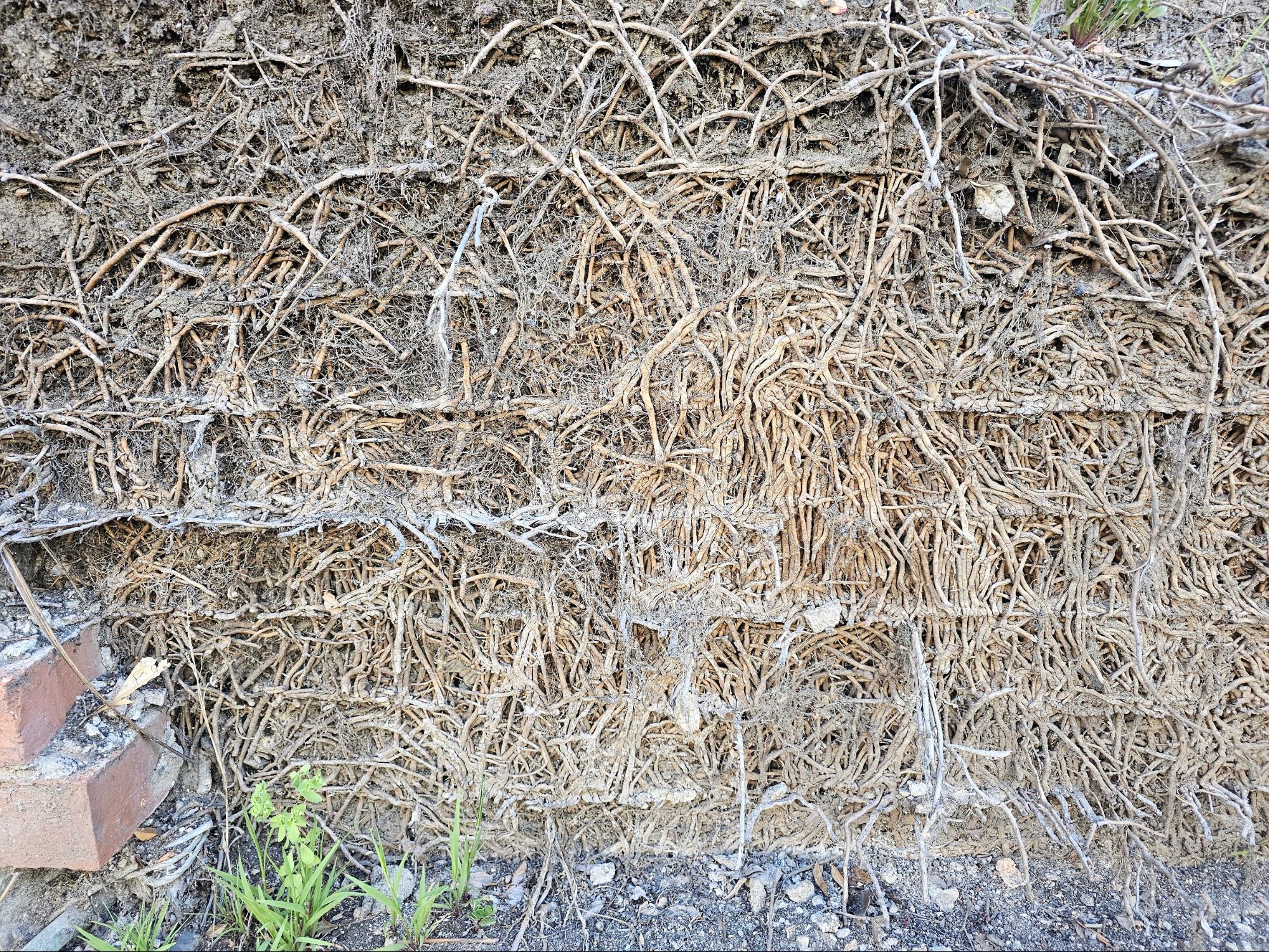
Today we are looking at the same collapsed retaining wall ruins that we looked at last week but we’re looking at the other side of

Learn & conquer – 8 expert tuckpointing tips to halt white stains & boost home value Have you ever noticed unsightly white stains marring the
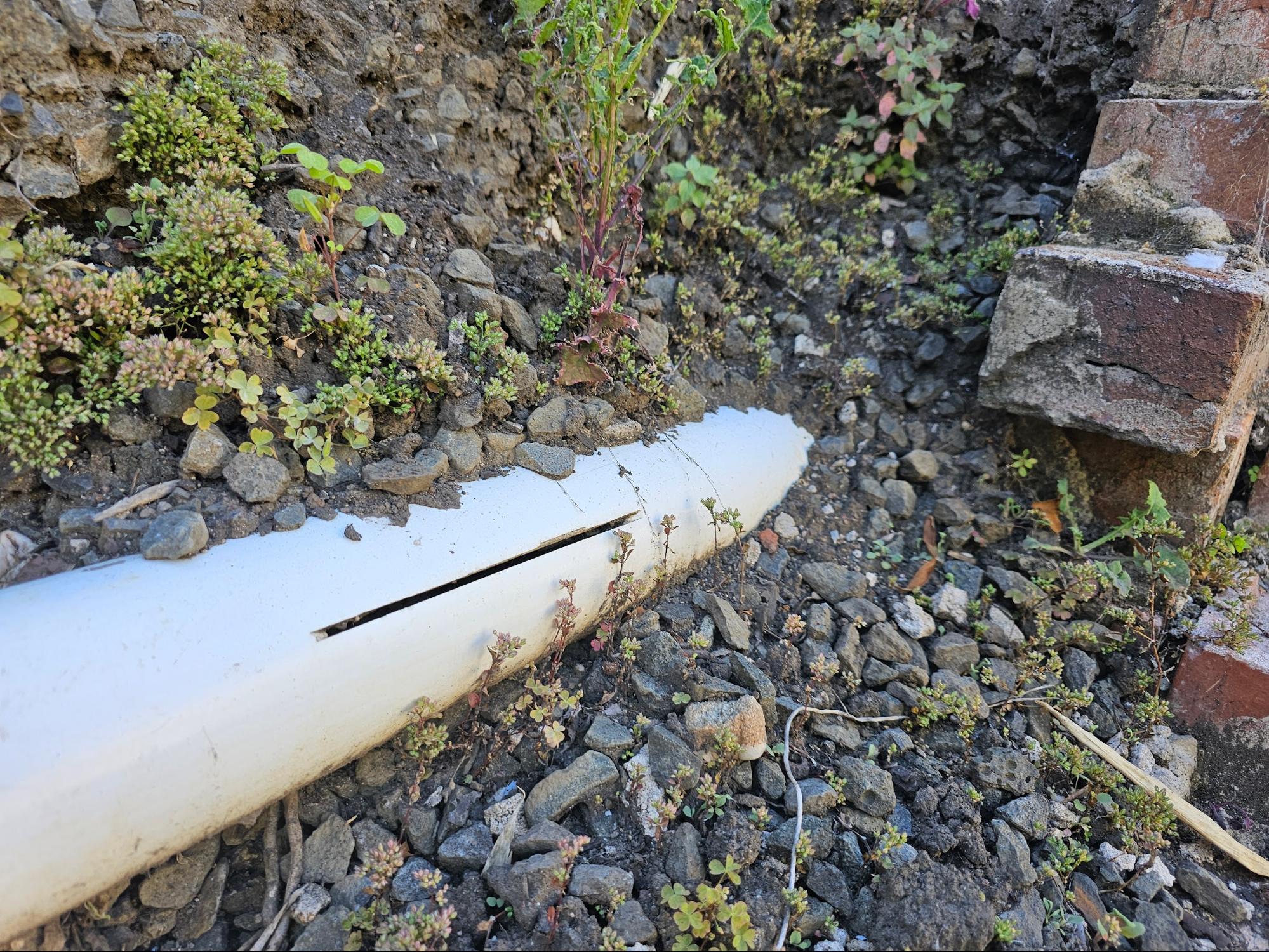
Retaining walls are integral landscape features, providing structural support and dimension to outdoor spaces. However, without proper drainage design, retaining walls are susceptible to hydrostatic