Essential Brick Spot Repointing with Plug Chisels – Part II
A picture, up close, of a historic mortar joint follows below. This particular mortar joint has significant deterioration. There’s a recess in the joint that wasn’t part of the original application. This area is recessed here because of deterioration of the mortar at the outside of the joint. Over time, the mortar has eroded. The lime in the mortar has caused a type of calcification referred to as efflorescence. Essentially salts inside of that mortar, different from table salt like the sodium chloride, that we are familiar with, have dissolved in the presence of excessive hydration. Those salts then travel to the outer face of the mortar and built up in deposits as the hydration evaporates away.
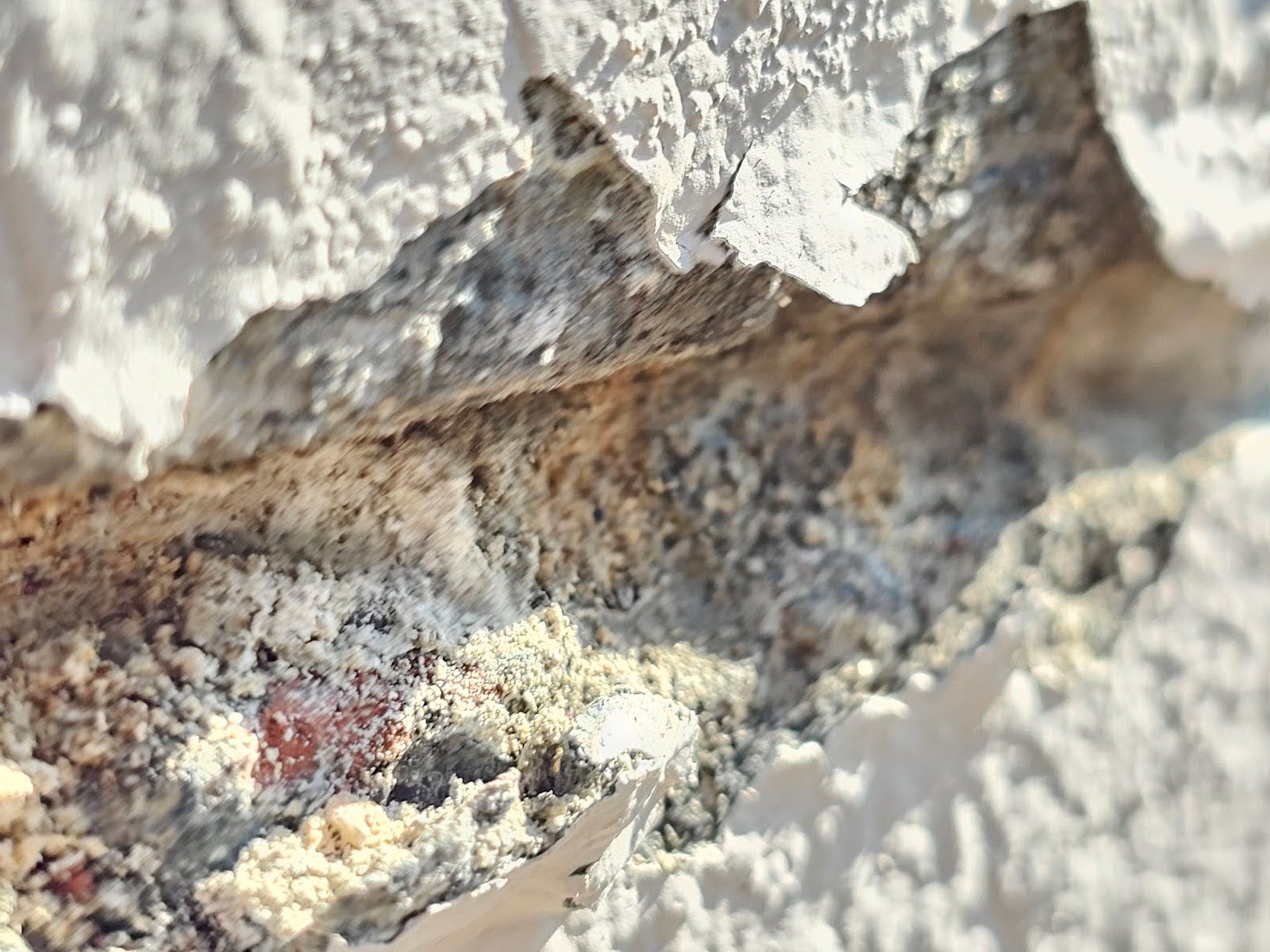
This particular brick joint happens to be between 5/8 of an inch and 1 inch in thickness. You can see the top of the lower brick, where the bed joint has worn away at the outer face of the wall, in the picture above. This past week, we mentioned that even just within one classification of brick, the common brick, there’s a wide range in the sizes of the mortar joints. In many cases, the pressed bricks were intended to be aesthetically displayed. They usually have very consistent mortar joints. In contrast, the common bricks were often covered with plaster, on the interior of buildings.
The joints varied widely. In many cases, today, those plaster coverings have delaminated and started falling off of the brick substrate. In some of those cases people have chosen to just remove the plaster all together. It may be a bit of a fad, but in the return to urban interest over the past 20 years or so, here in DC, people appreciated historic architecture. We love historic architecture. The company is unique, but our company is dedicated and focused on preserving the masonry elements of historic architecture. We even appreciate the areas outside of our direct focus. All of these elements of historic architecture are important to us.
We aren’t the only ones, many people really like the aesthetic of exposed brick. It isn’t necessarily for everyone, though. Some people also really appreciate the aesthetics of modern minimalism. We get that too. There’s also a bit of a minimalist element in brickwork. The facings of historic brickwork may be rough and unpolished, but it’s a bit like brutalist architecture. It’s very functional, and the form fits that function. There are many examples of fake bricks, as well. Generally, especially pros with trained eyes, like ourselves, can tell the difference almost instantly.
In the picture below, the tip of all chisel was inserted partially way into the brick joint. Here, the brickwork to the right of the picture has mortar joints that have been removed, raked, and the brick joints of the left have yet to be raked.
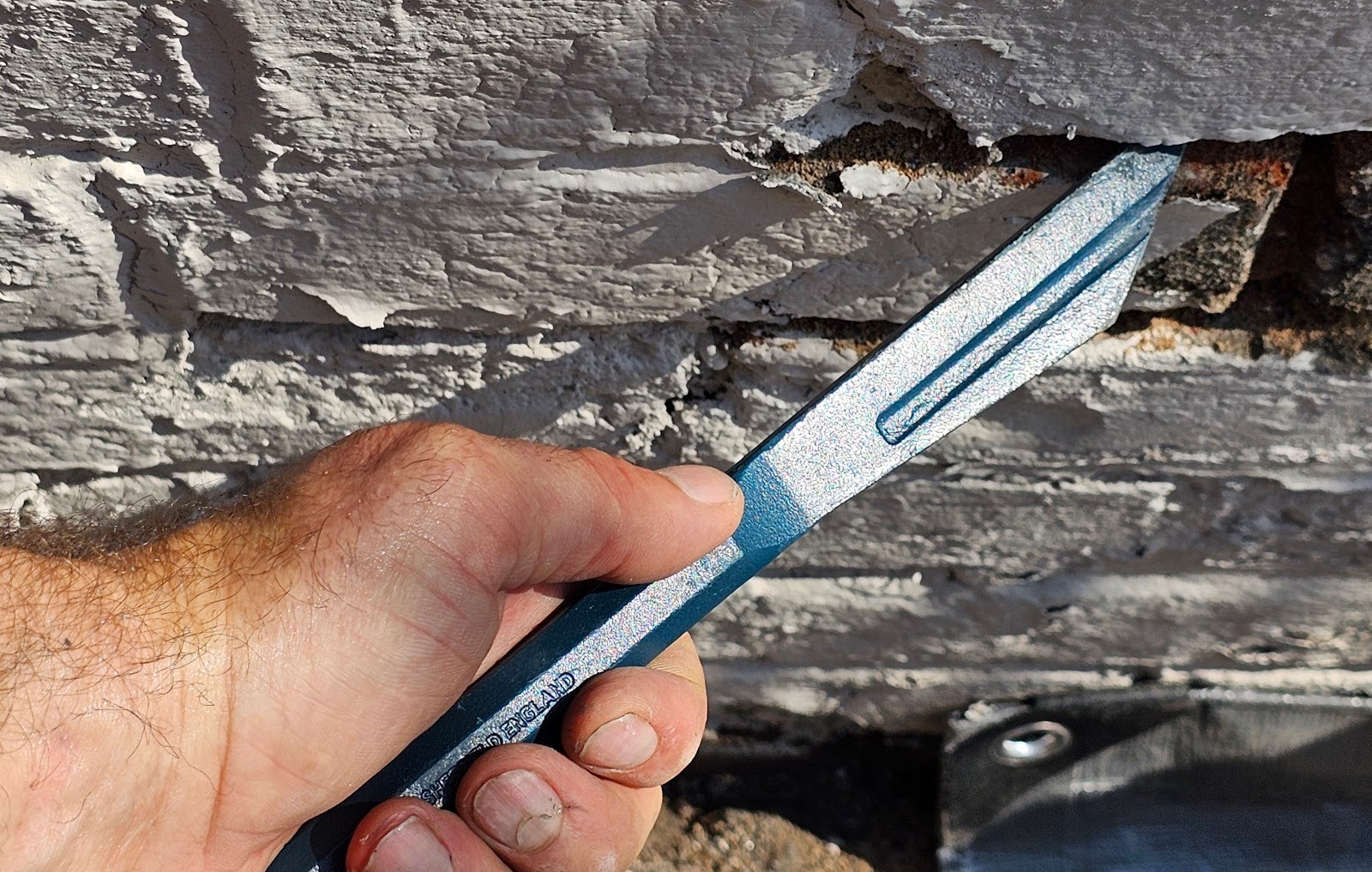
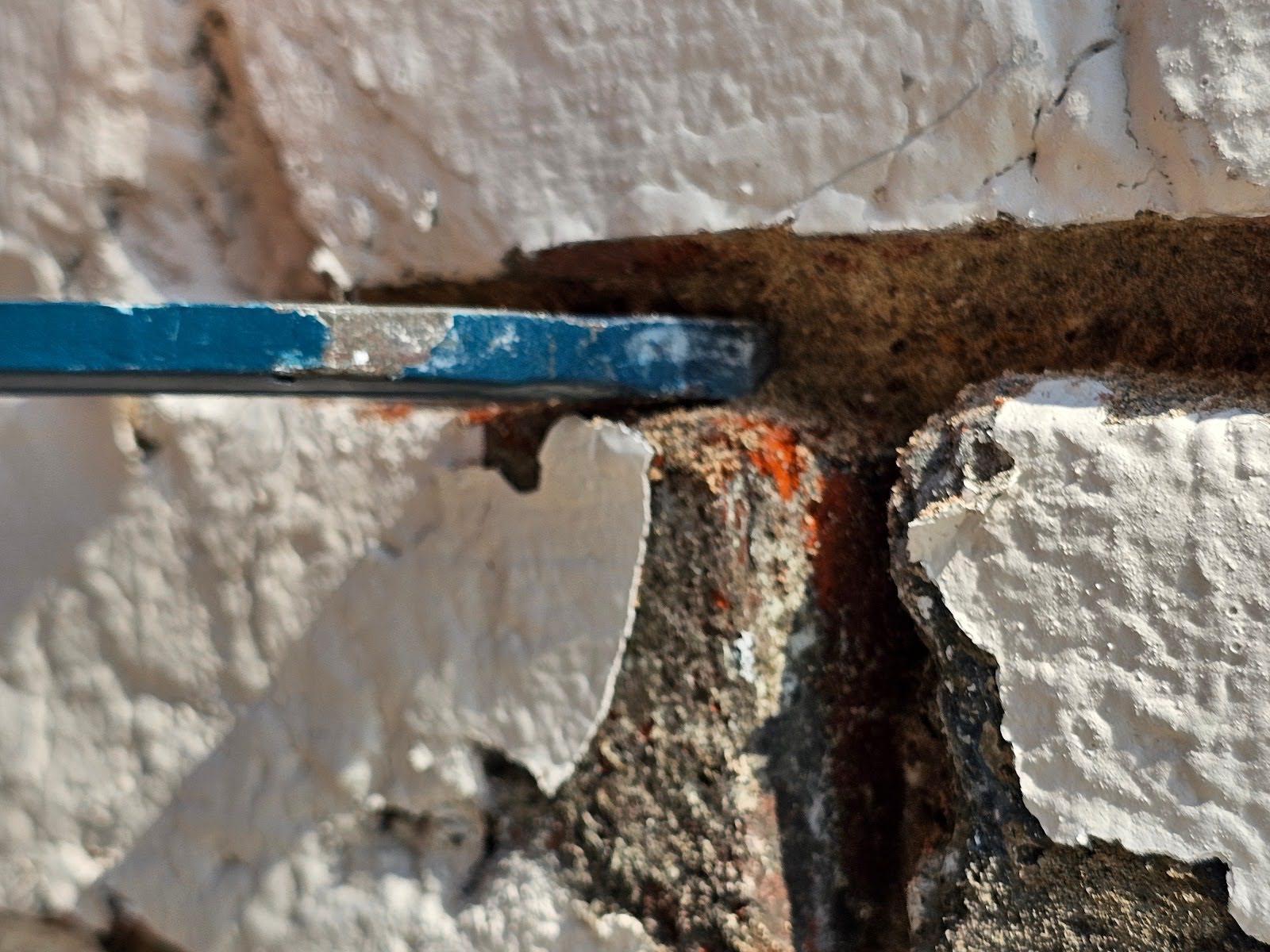
You can see in the picture below, the area along the front end of the chisel is thin enough to fit into the brickwork without wedging the bricks apart. Essentially, this type of chisel won’t force an angled shape into the brick work and break the edges of the brick.
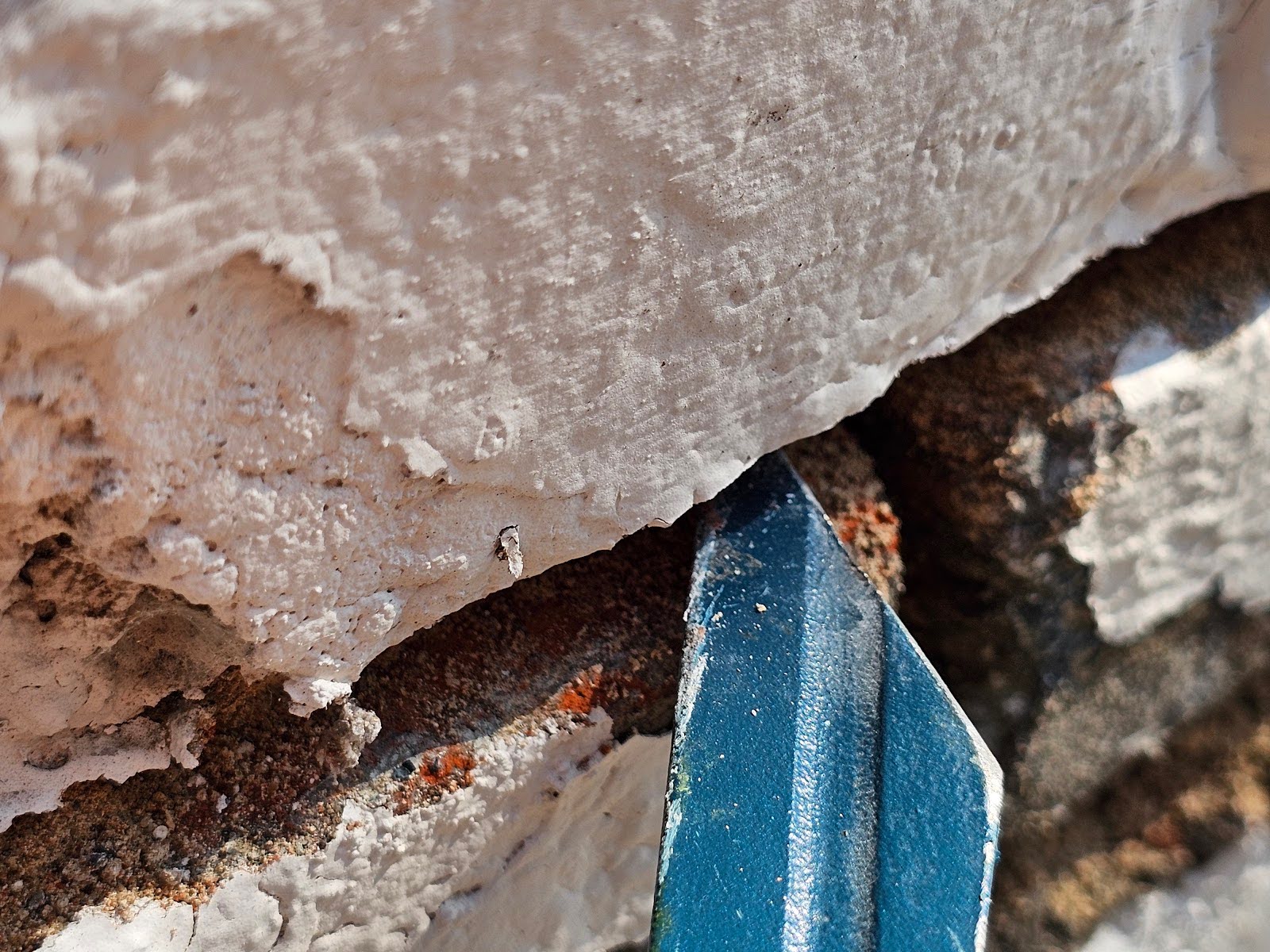
Common brick like this often has very wide joints, using more mortar than we would find in any type of finer brickwork. They applied thick mortar joints because water was cheaper than bricks. In a previous blog article, we talked about the difference between front lumpers and skilled masons. This work was not done by skilled masons, even though we might feel like there was better craftsmanship in those old days, today. That belief or idea is really a mistake or misunderstanding.
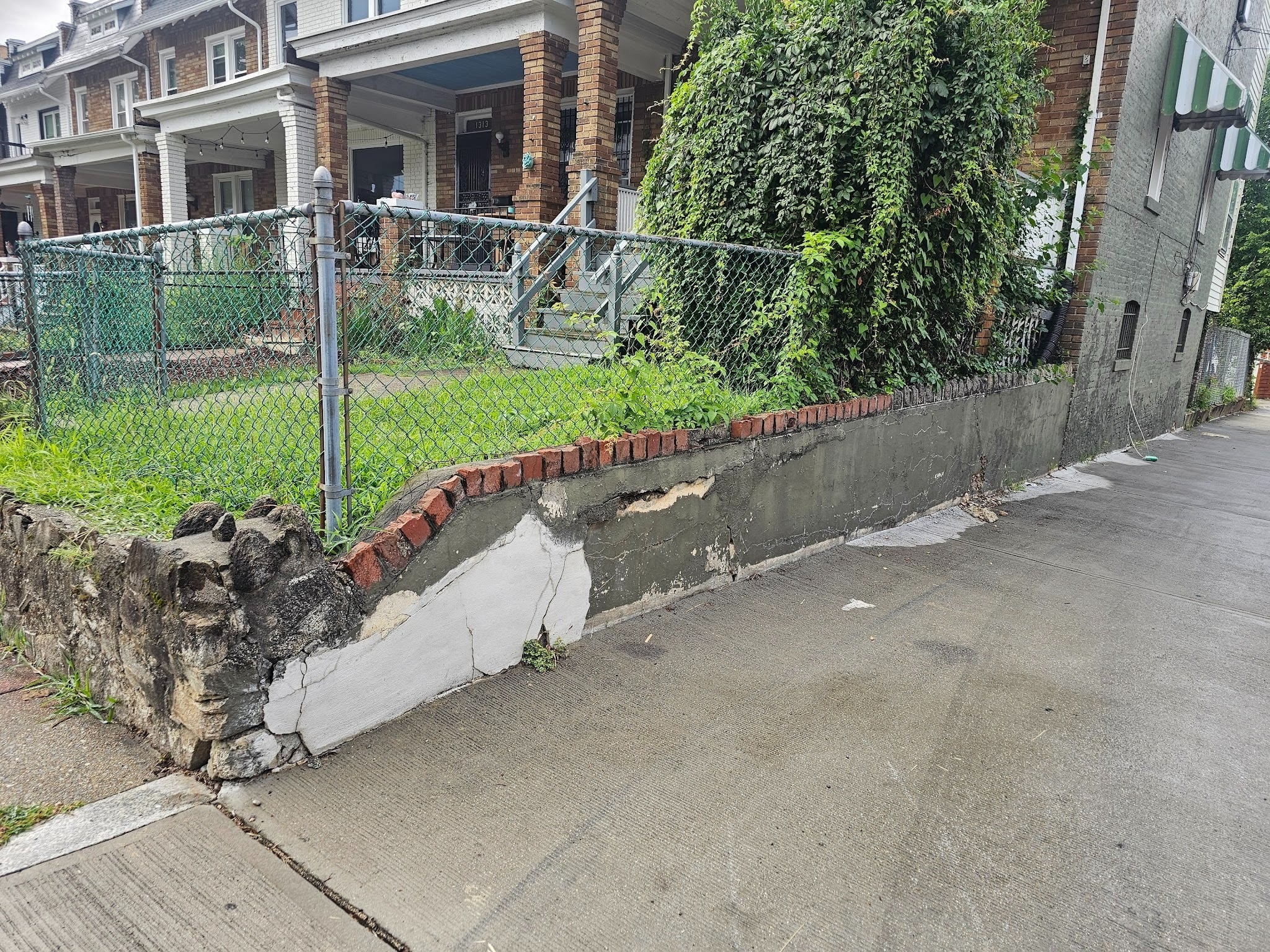
The picture below shows a typical type of area that we might find that needs spot repointing. It’s not that the other brick mortar isn’t beyond the age or timeline where it also needs repointing, but particularly, there are spots that are worse. These spots that are really bad need the highest priority of attention. Although we recommend repointing the entirety of this particular facade, we understand that some clients might not be able to make that kind of investment needed to do it an entire wholesale repointing at one time. It’s more cost effective to do everything at once because there’s an economy of scale, but practical realities sometimes make it better to prioritize the worst areas first.
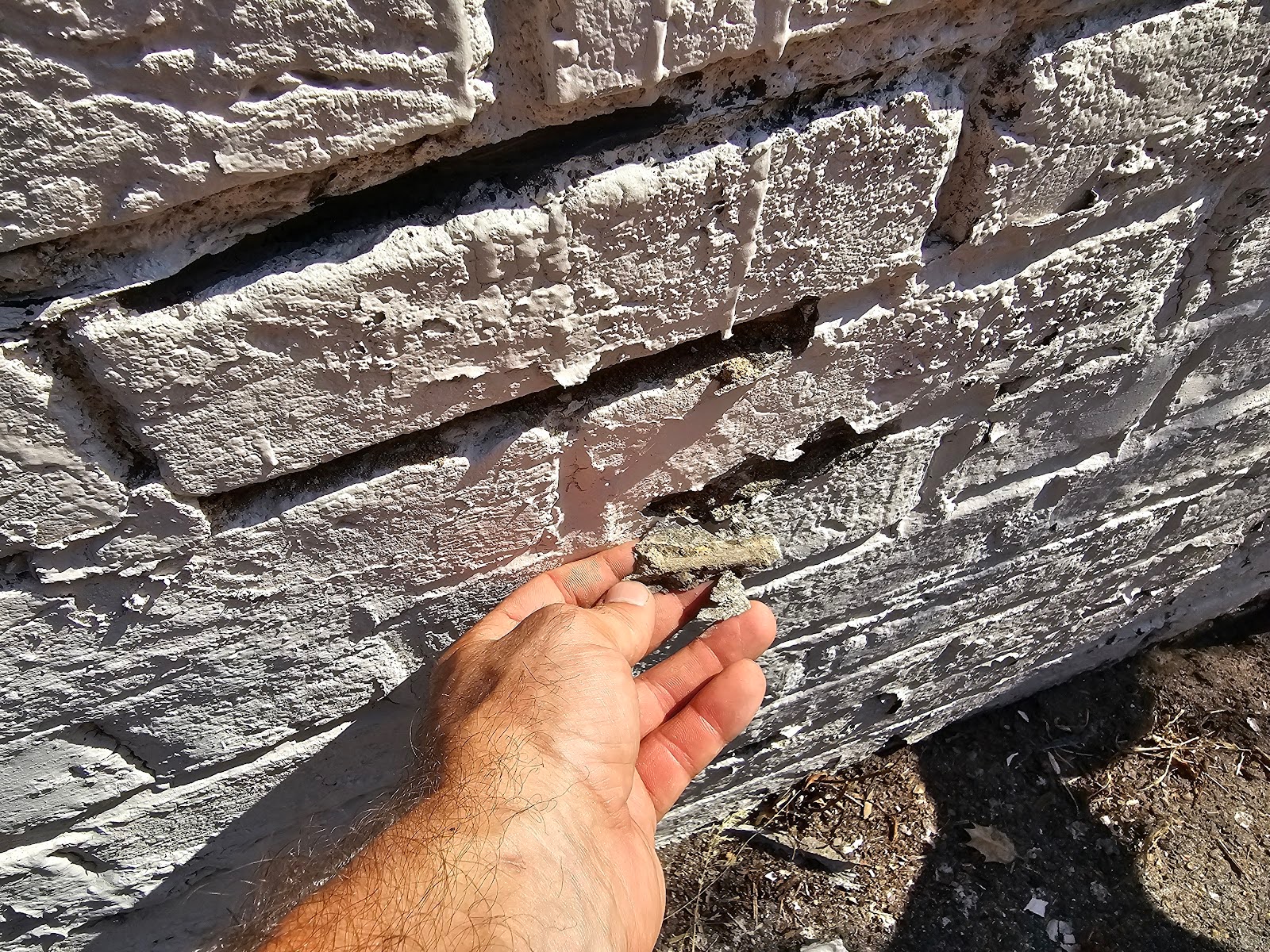
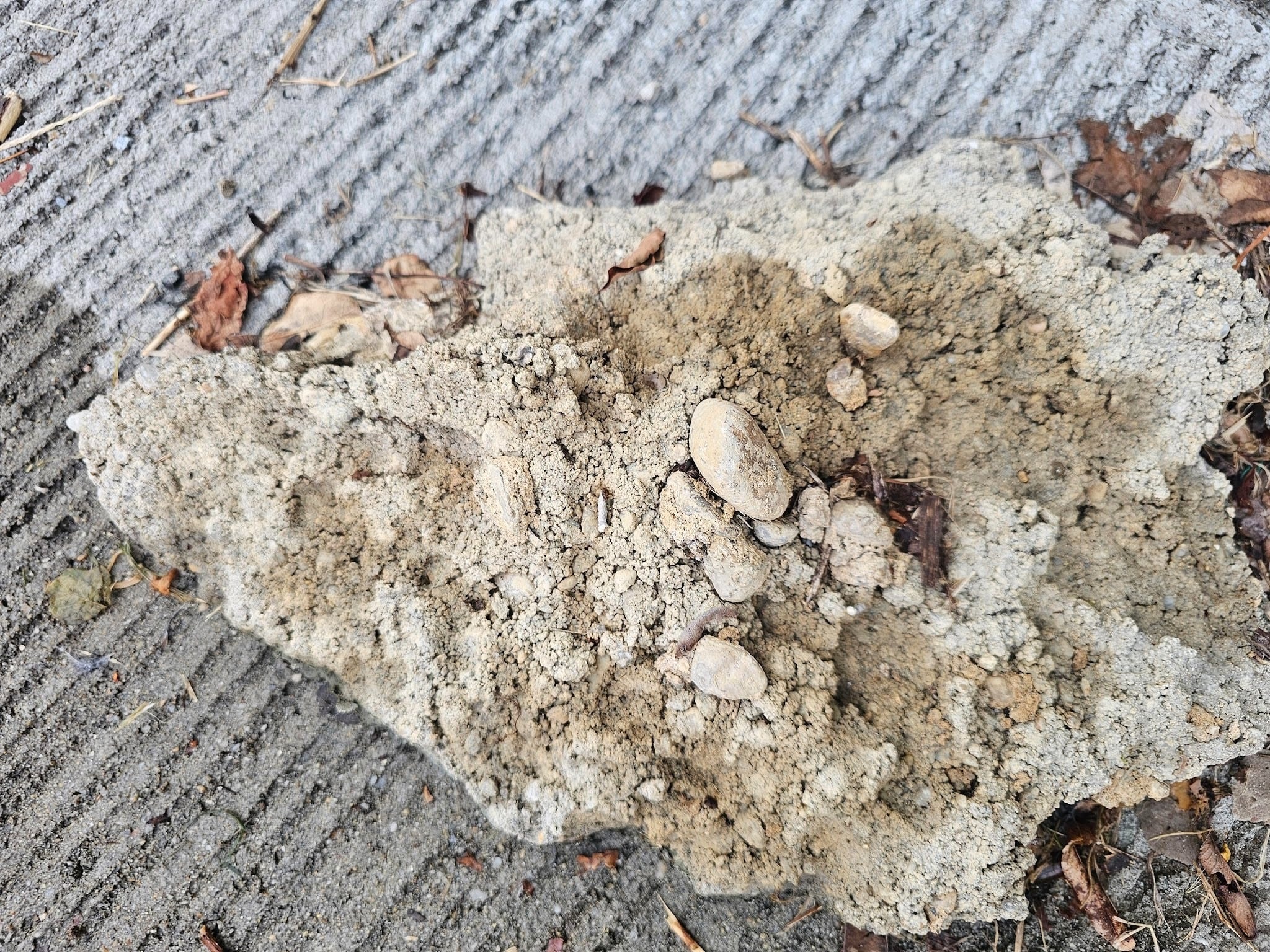
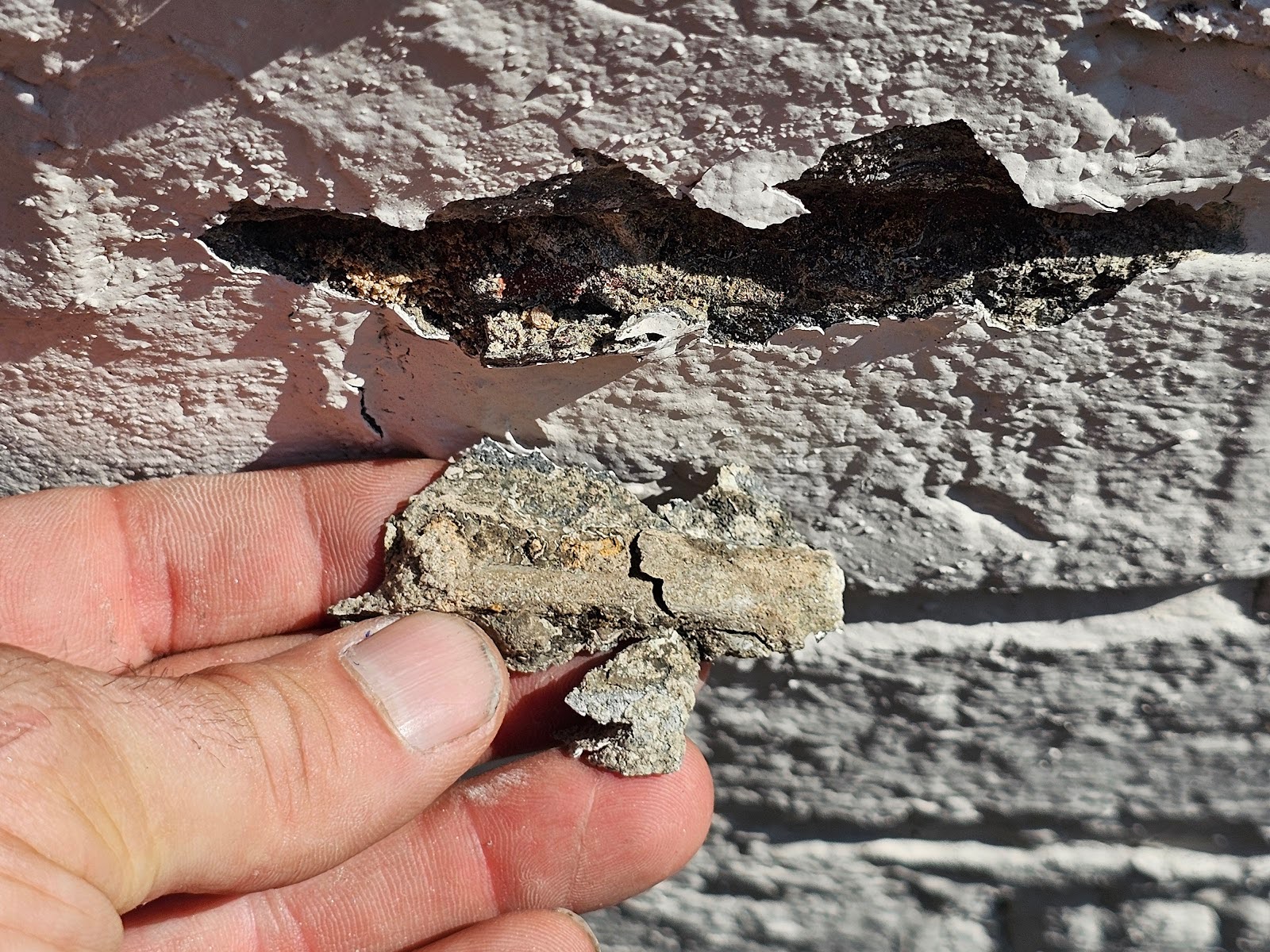
In the next picture below, you can see an area where the entirety of the chunk of mortar came right out of the wall because it’s delaminated in a way that made it separate from the substrate. In some cases, particularly where the wrong mortar was used in past repointing, there may be issues with decoupling and improper bonding. Of all the problems that could stem or come out of repointing with the improper types of mortars, this is actually one of the best outcomes you could hope for. In some cases when people don’t know what they’re doing and use the wrong mortar, it can cause critically extensive damage.
Our company, Dupont Tuckpointing and Masonry, specializes in masonry restoration, historic brick repointing, and tuckpointing services in the Washington D.C. area. These buildings are uniquely historic, and their preservation requires skilled masons who are technically trained in the best practices and knowledge of proper restoration techniques.
We understand the significance of maintaining the architectural integrity of these historic structures, and our team of experienced professionals is dedicated to delivering exceptional craftsmanship. Whether you require masonry restoration, tuckpointing, or brick repointing services, we are here to help.
At Dupont Tuckpointing and Masonry, we take pride in our work and strive to ensure that every project is executed with the utmost care and attention to detail. We are committed to preserving the rich heritage of Washington D.C.’s built environment for generations to come.
If you have any questions or needs regarding masonry restoration, historic brick repointing, or tuckpointing services, please do not hesitate to reach out to us. We would be delighted to assist you and provide you with the expertise and quality workmanship that your historic property deserves.
You can reach us by telephone at (202) 796-7644 and you can reach us by email from the contact form on our website