Which Is Right for Restoration: Modular Bricks or Historic Bricks?
This past week, while looking at a particular issue of over-hydration through funneling of water through leaking scupper onto a brick facade, we talked about the bond and the historic brick sizes. We mentioned that modern bricks are different sizes than historic bricks. Historic bricks are roughly 8-3/8 of an inch wide. Particularly, with common historic bricks, which are different from historic pressed bricks, there is more variety. Pressed bricks were made at the same time as common bricks, but they were made to a higher quality, specifically for front facing facades. Both bricks were made to be the same size though.
The common bricks were made with the lowest quality substrate materials and therefore, because ceramics and bricks change shape slightly in the kiln firing process, there’s a wide variety in the actual finish shape and size of these common historic bricks.
Common historic bricks (and pressed bricks) here in the USA are generally 8-3/8 inch wide in the stretcher position. The intentional change in brick sizes happened in about the 1920s to about the 1930s, so roughly 100 years ago. Normally, many people don’t like changes. Particularly, for many people (myself included), historic elements and generally almost everything historic compared to everything modern, is preferable. However, there’s a good reason for why the bricks were changed to be slightly smaller. In this new size of roughly 7-5/8 inches wide, when a mortar joint of roughly 3/8 of inch is added, it makes the brick exactly 8 in wide by 3 in tall.
There’s a particular reason why that number is a good number. It’s not that some numbers are good and others are bad just because of superstitions or numerologies or anything like that. It has to do with modularity and ease of calculation and mathematics. It’s like using round numbers instead of many decimals. A square foot happens to be 144 square inches. When you measure off a wall you multiply the width by the height to arrive at the total square footage. Masonry contractors make that calculation all the time. They generally price their work by square foot and they also have to make orders to receive and purchase the materials they need.
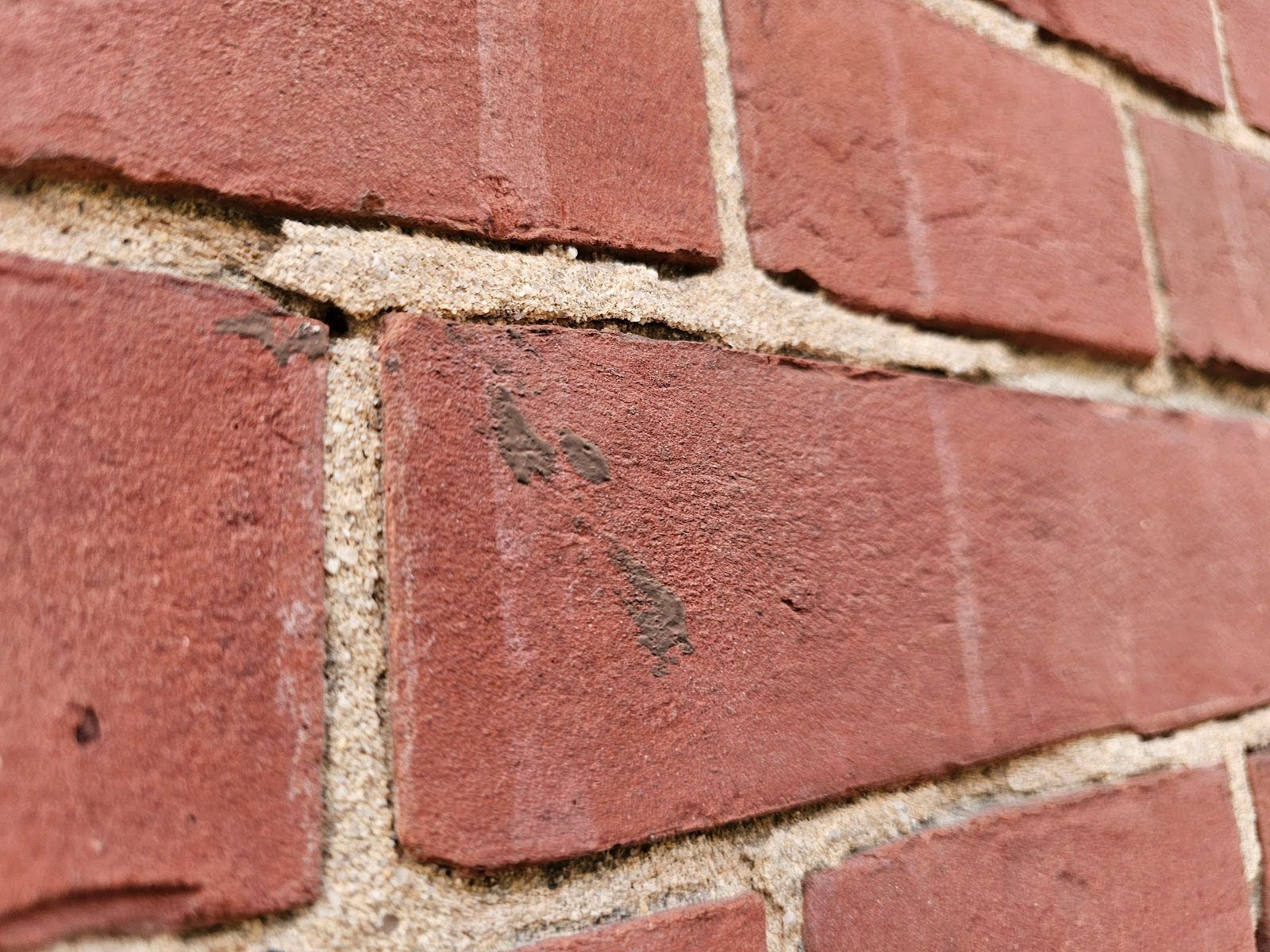
For example, if a building happens to be 20 feet wide and 40 feet tall then the facade happens to be 800 square feet. For this contemporary brick size, of 8 in x 3 in, it means that the brick is 32 square inches. Dividing 800 square feet by 32 square inches is a sort of complicated math process, but if you simply understand that there’s exactly six brick sizes within each square foot you just simply multiply the total square footage of 800 feet x 6 which gives you 4,800 (plus wastage).
That means that to build a single wythe of this particular facade, you need to order 4,800 bricks. For a double wythe of this facade, you need 9,600 bricks (plus wastage).
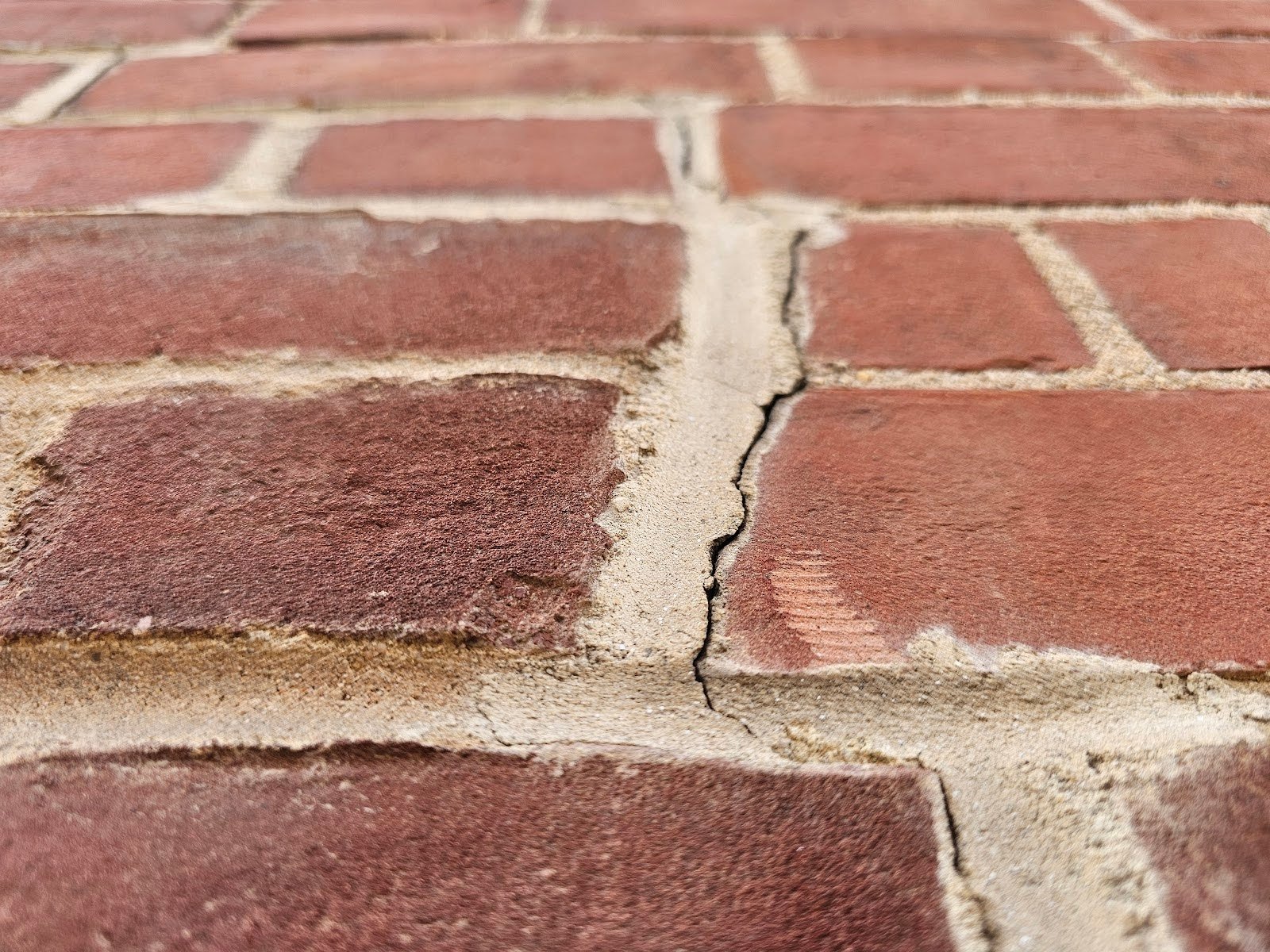
This new mathematic simplicity made it much easier to do the calculations. Imagine, 120 years ago, people didn’t have access to calculators and computers so making it simpler was helpful. Even back, over 100 years ago. This was a professional trade that kept many people busy. People dedicated their lives to this work. It wasn’t just old handyman kind of tinkering around at it. Laying bricks day after day until they got a job finished was a dedication.
Instead of a handyman hobby, it was a business that involved heavy production and therefore required productivity and efficiency. People needed to work in teams and groups between a supply chain. Being able to make a brick size more modular to make it easier to calculate quantities was a really big deal.
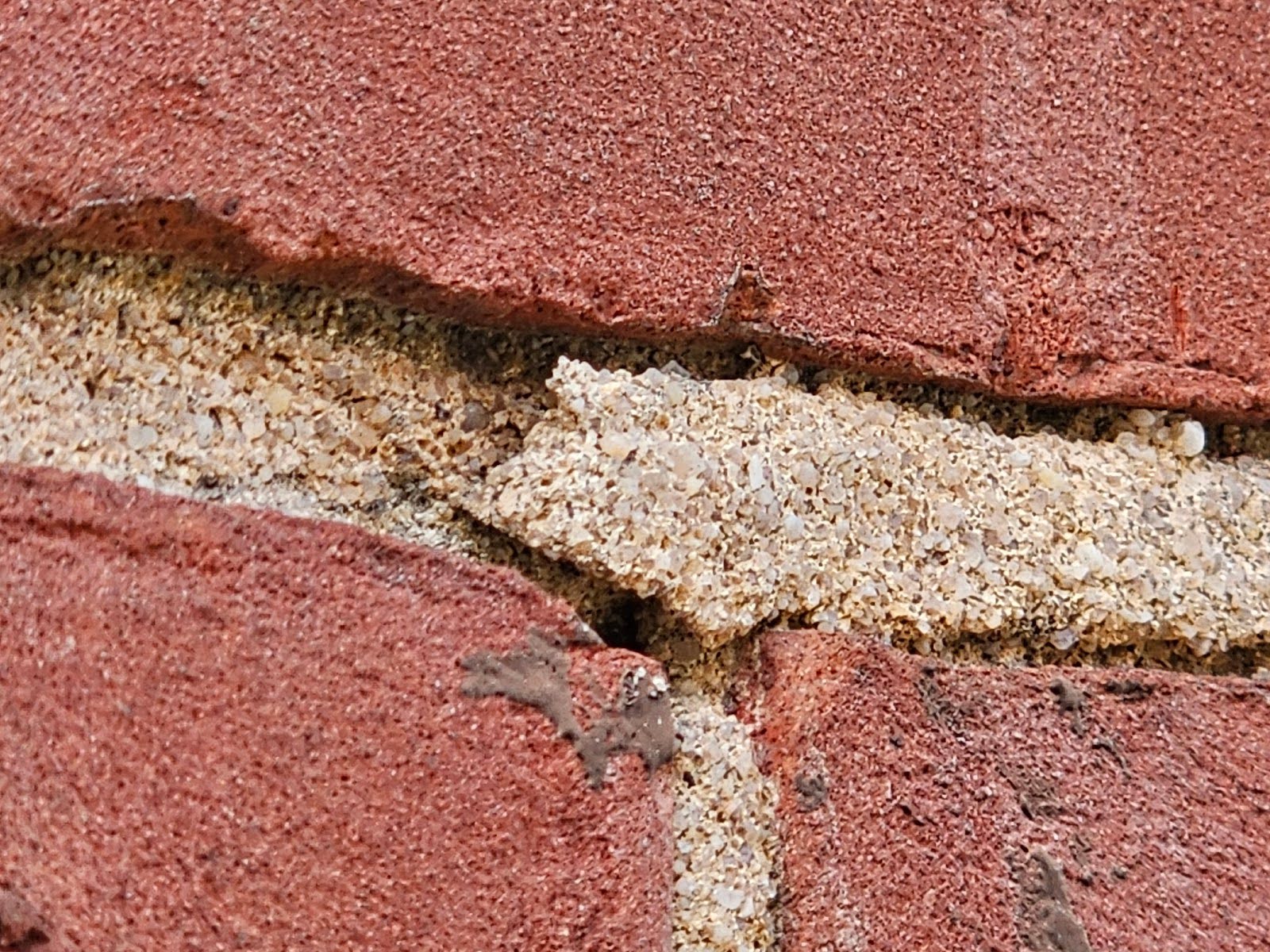
In fact, even outside of just brick masonry, standardization of sizes and units is important. Here in the United States, we still use the Imperial measurements even though they came from England and have already changed in England from Imperial to metric, years ago, I don’t know if they’ll ever really change in the United States, in the construction industry. Particularly, in the construction industry, we still use feet and inches for all measurements. People don’t really work here, in the ISA, with metric measurements, in the construction industry. Sciences and many different types of technologies have already adopted the metric system here in the United States, but the construction industry has hardly changed at all.
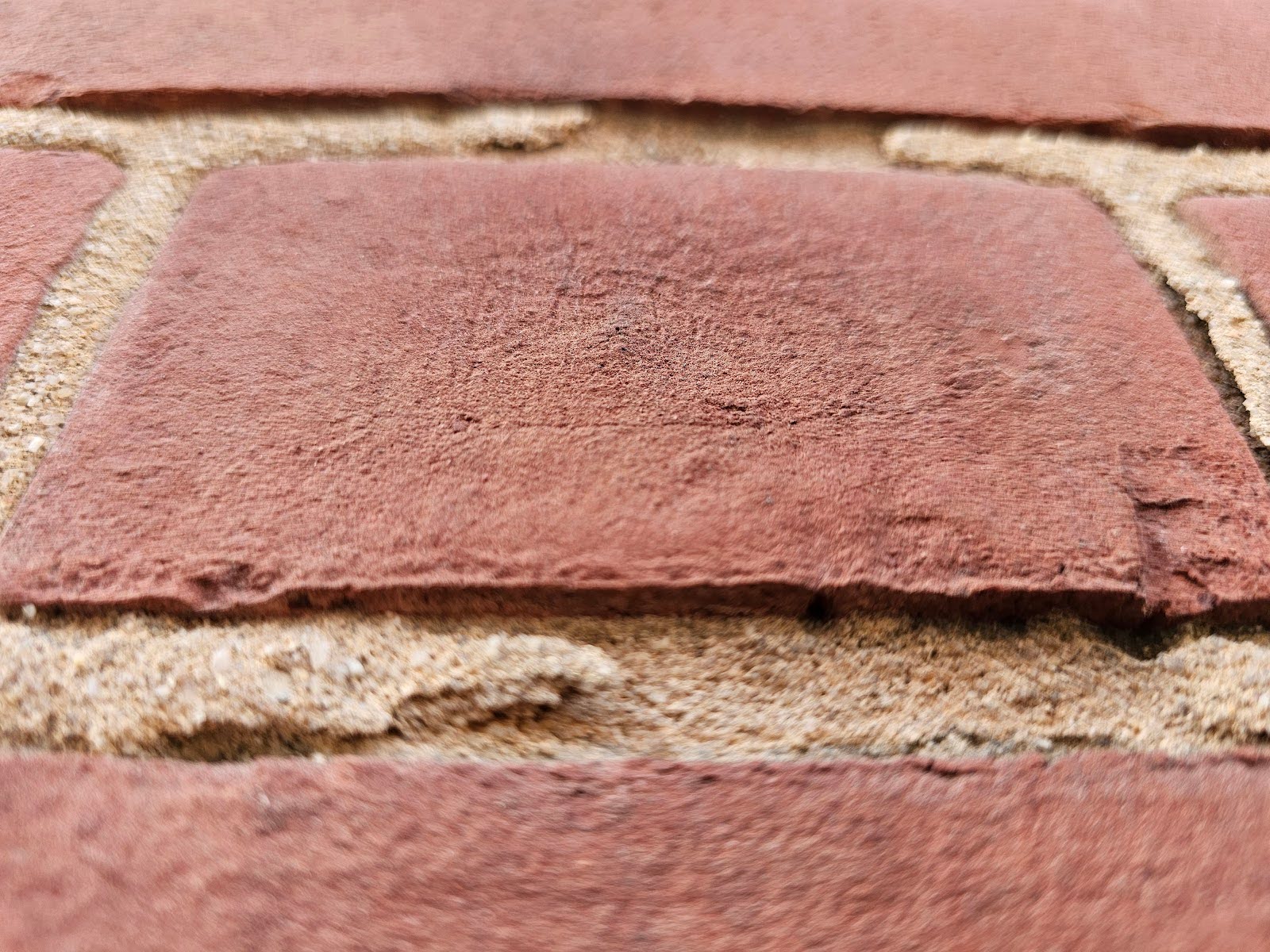
Since our company, Dupont Tuckpointing and Masonry, specializes in masonry restoration, historic brick repointing, and tuckpointing services in the Washington D.C. area, we make it a point to study these types of issues. These buildings are uniquely historic, and their preservation requires skilled masons who are technically trained in the best practices and knowledge of proper restoration techniques.
We understand the significance of maintaining the architectural integrity of these historic structures, and our team of experienced professionals is dedicated to delivering exceptional craftsmanship. Whether you require masonry restoration, tuckpointing, or brick repointing services, we are here to help.
At Dupont Tuckpointing and Masonry, we take pride in our work and strive to ensure that every project is executed with the utmost care and attention to detail. We are committed to preserving the rich heritage of Washington D.C.’s built environment for generations to come.
If you have any questions or needs regarding masonry restoration, historic brick repointing, or tuckpointing services, please do not hesitate to reach out to us. We would be delighted to assist you and provide you with the expertise and quality workmanship that your historic property deserves.
You can reach us by telephone at (202) 796-7644 and you can reach us by email from the contact form on our website at https://duponttuckpointingmasonrydc.com/contact-us/.