Breaking Down an Intentional Recess in a Historic Brick Wall
Today, we’re looking at a couple of freestanding walls that have recessed panel areas on the masonry walls. We will also look at some traditional historic masonry facades that have recessed panels in the brick facades. A little bit later down the road, probably later in this coming year, we’re also going to write an article about masonry infills that explain some of the common reasons for modifications that lead to infilling masonry openings.
Some of the things that we’re going to look at today look very similar to masonry wall infills. We believe that these particular recessed areas are different though. Infills are generally a result of a modification that leads to abandoning a window or changing a particular wall. Here though, instead of brick being added to the wall after the original construction, we believe that these particular recessed areas were part of the original construction. They were intended, from the beginning.
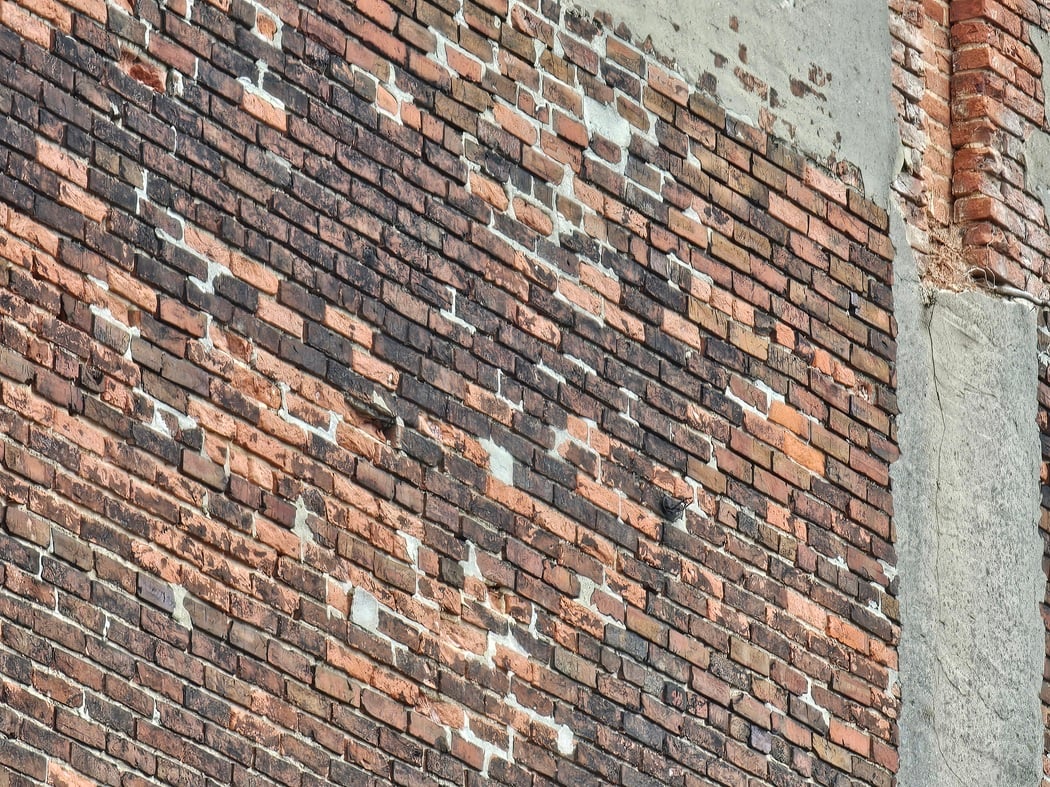
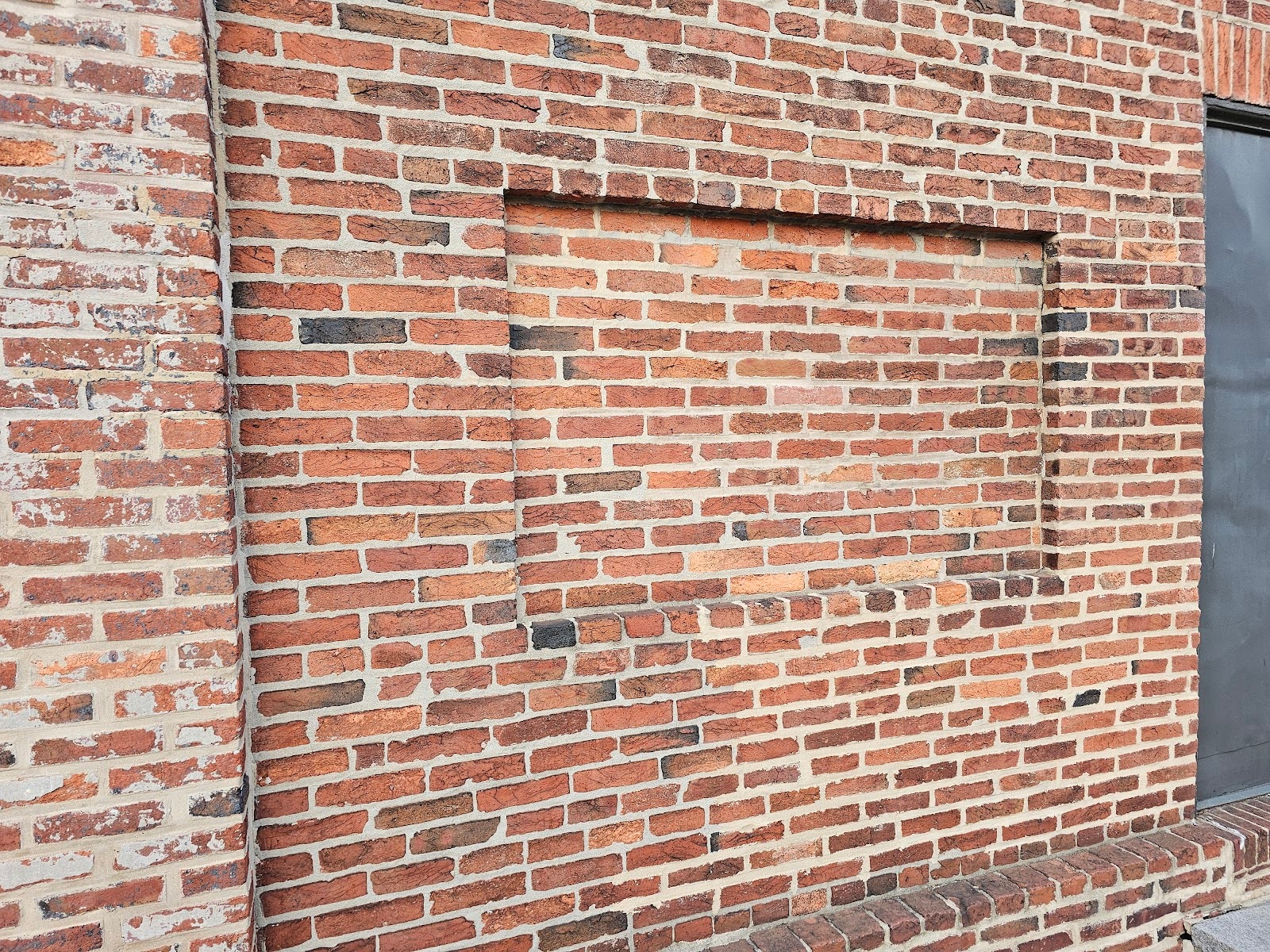
In the picture below, you can see a panel that’s been built into an exterior wall. This is not the facade of a building. It’s actually a free standing partition. Essentially, it’s at the edge of the property line that runs along the street. Because it runs along the street, or adjacent sidewalk, it has the exterior facing, similar to a facade. Generally, buildings that are built right on the street or just off the street are intended to look decent. In fact most of our cities today are centers of both extreme wealth and extreme poverty.
The rich people use the cities and take the earnings and wealth generated from the cities out of the city and the few well-paid workers do something very similar. In most cases. Particularly here on the East Coast, where there is such high disparity, the workers who live well generally earn their money from the cities and then leave the city at night. Meanwhile the people who are extremely poor stay in the city and they don’t have much ownership or equity in the city itself, other than their presence or legacy. Here in America, we mostly do gaslighting to try to ignore the causes of the issues.
It has a really big effect though on the way the city is maintained and built. Along the east coast of America, Washington DC is a little bit of an exception, but not completely. People here still make decisions that are bad for the aesthetics of the city and in contrast to the historic tapestry.
The panel shown in the picture below is used to break up what otherwise would be a relatively plain flat wall. If it didn’t have the recess, it would look kind of boring. Just like many of the historic architectural details such as the bays, corbels, cornices, and many other facade facets, these recess panels create a visual interest. Essentially, the difference in the planar face creates a shadow line that changes throughout the day and adds a very perceivable three-dimensional accentuation.
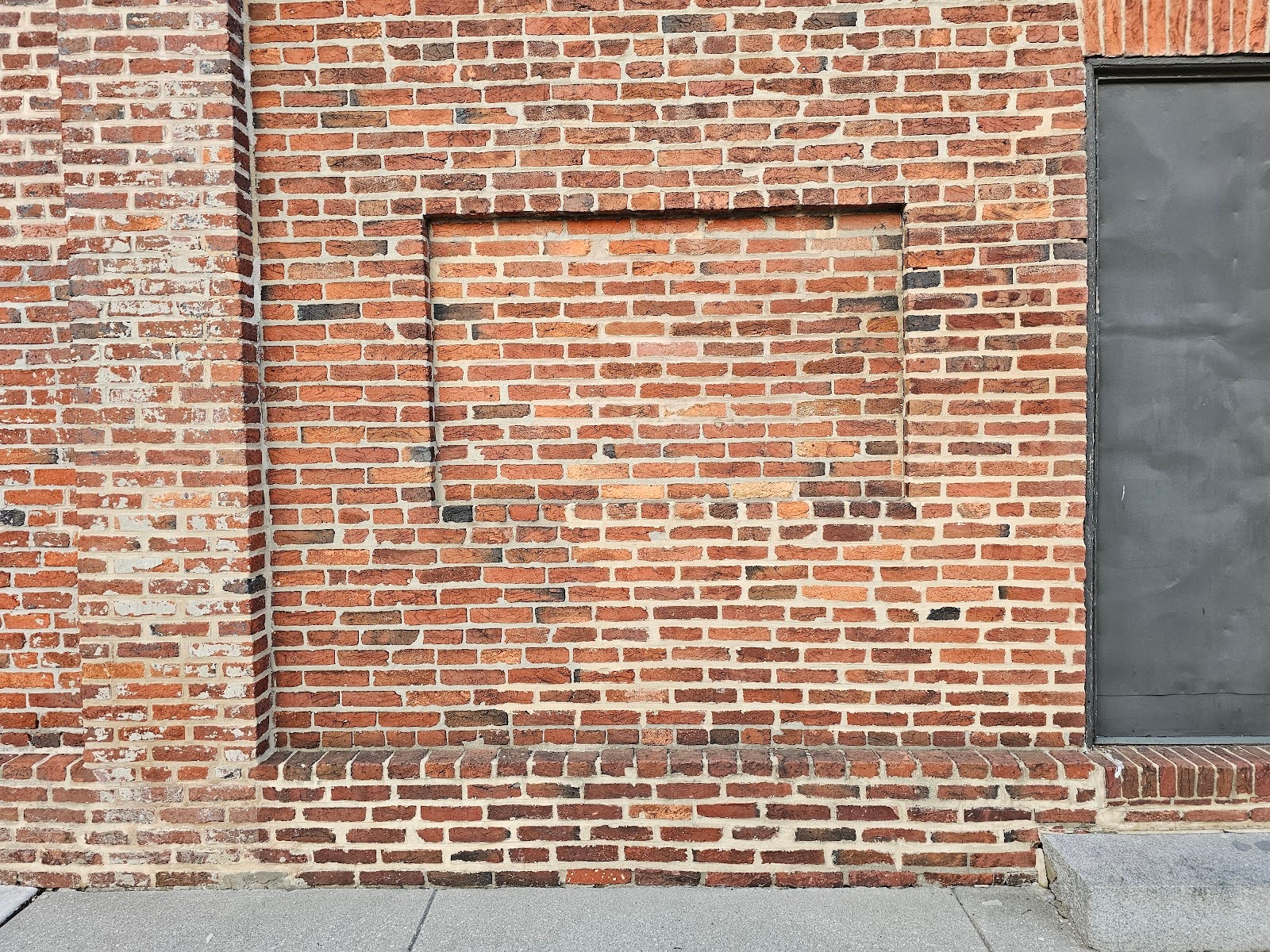
When you look closely, you can see that the area of the column and the very base of the wall are also proud or sticking out further towards the street than the main field of the wall itself. So there’s really three different planes here, two different types of recesses or rebates. Looking closely at the masonry bricks though you can tell there’s a difference.
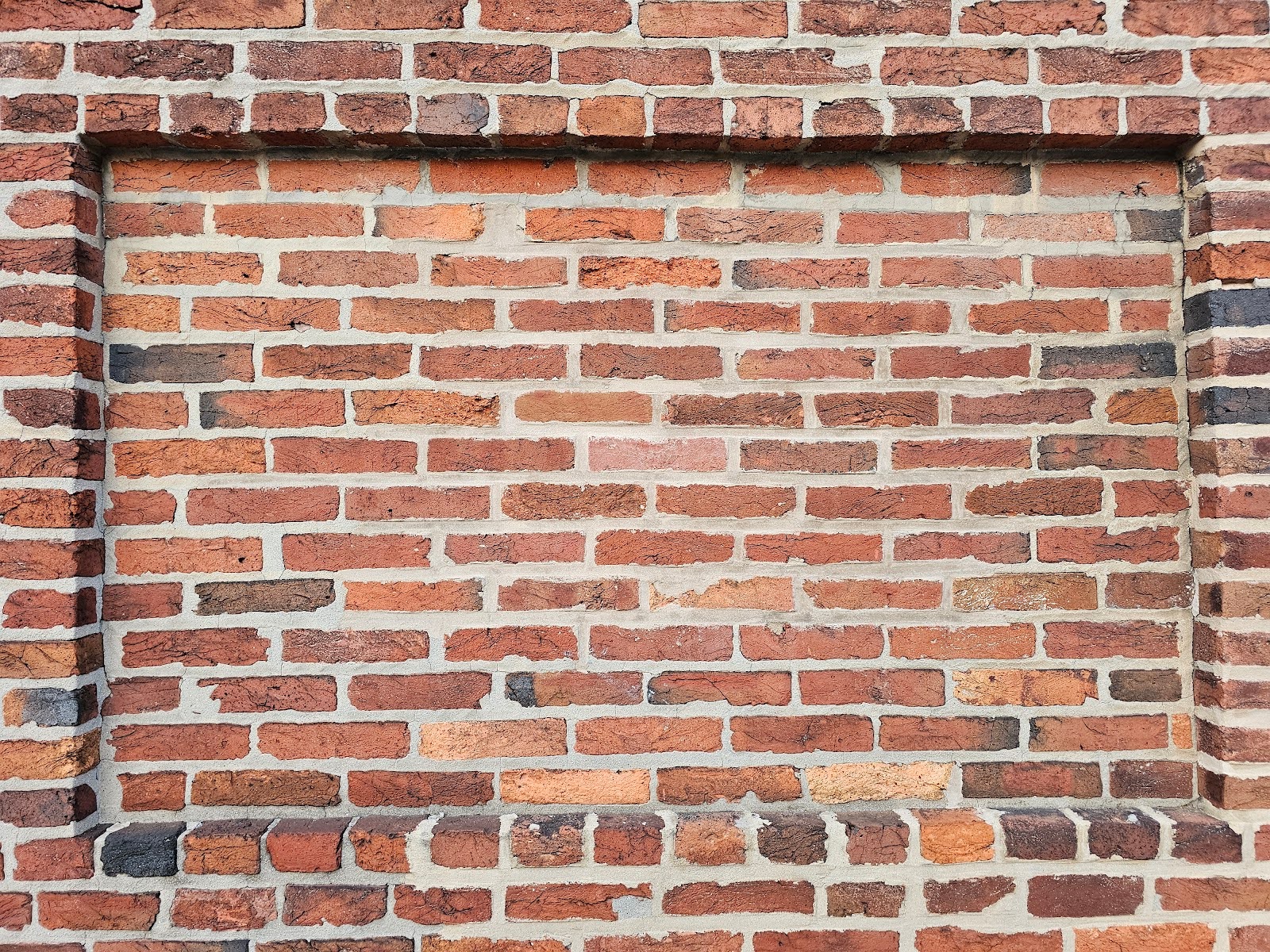
The bricks between the recess panel and the adjacent surrounding brick wall are the same, they were made of the same time, from the same clay substrate and also fired in a kiln in the exact same way. All signs indicate that the recessed panel area and the surrounding brick wall were built all at once.
You can see the edge of that panel very closely in the picture below. Here you can make a visual comparison between the panel brick and the surrounding brick.
In this coming week, we’ll take an additional look or two at this particular wall. We’ll also compare it to some other walls where there are intentional recesses.
Since our company, Dupont Tuckpointing and Masonry, specializes in masonry restoration, historic brick repointing, and tuckpointing services in the Washington D.C. area, we make it a point to study these types of issues. These buildings are uniquely historic, and their preservation requires skilled masons who are technically trained in the best practices and knowledge of proper restoration techniques.
We understand the significance of maintaining the architectural integrity of these historic structures, and our team of experienced professionals is dedicated to delivering exceptional craftsmanship. Whether you require masonry restoration, tuckpointing, or brick repointing services, we are here to help.
At Dupont Tuckpointing and Masonry, we take pride in our work and strive to ensure that every project is executed with the utmost care and attention to detail. We are committed to preserving the rich heritage of Washington D.C.’s built environment for generations to come.
If you have any questions or needs regarding masonry restoration, historic brick repointing, or tuckpointing services in DC, please do not hesitate to reach out to us. We would be delighted to assist you and provide you with the expertise and quality workmanship that your historic property deserves.
You can reach us by telephone at (202) 796-7644 and you can reach us by email from the contact form on our website at https://duponttuckpointingmasonrydc.com/contact-us/.