Part II: How We Addressed a Severe Brick Spalling Problem
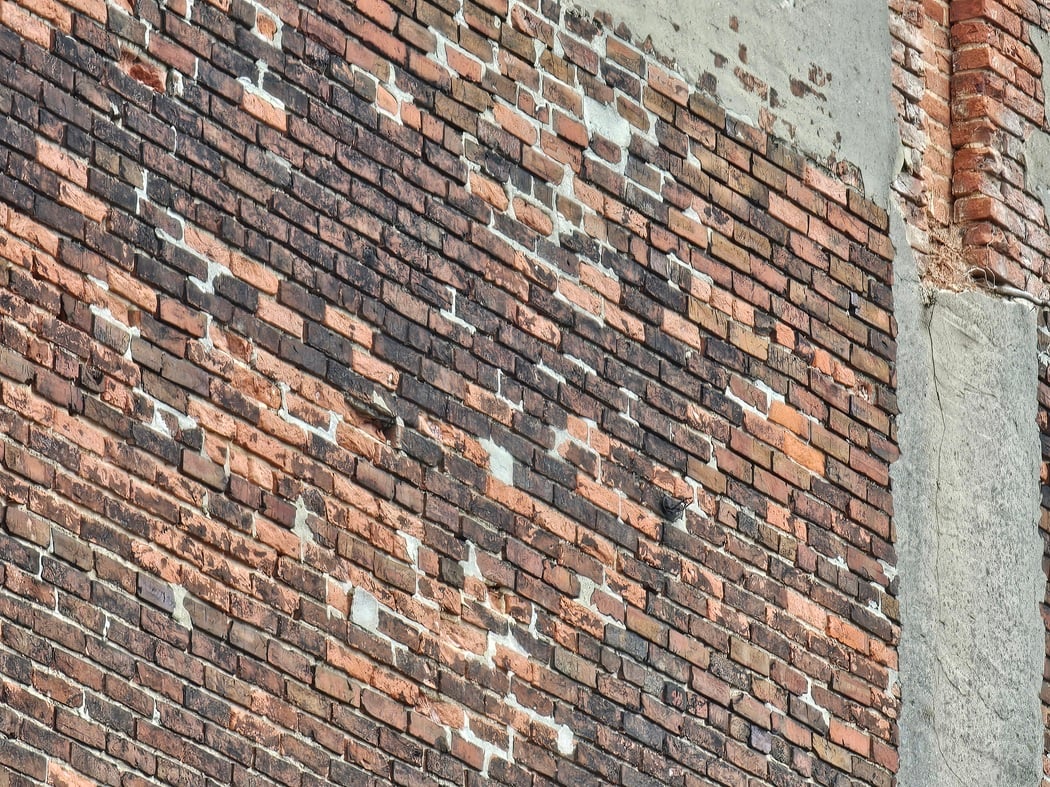
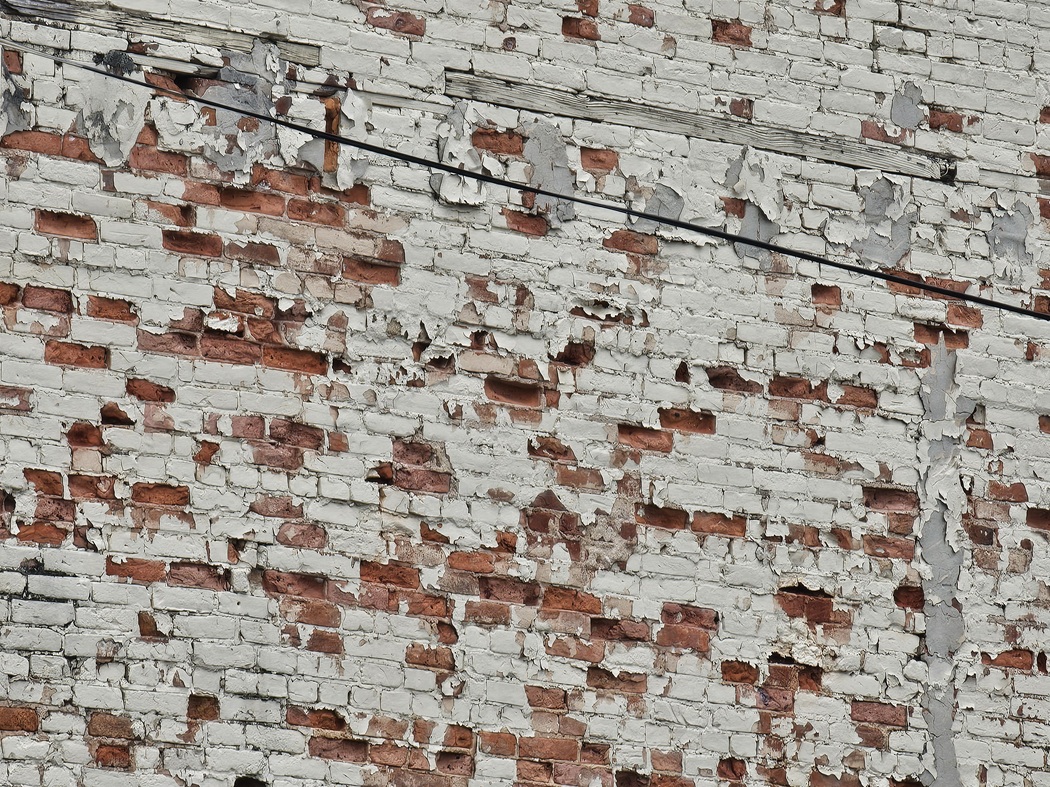
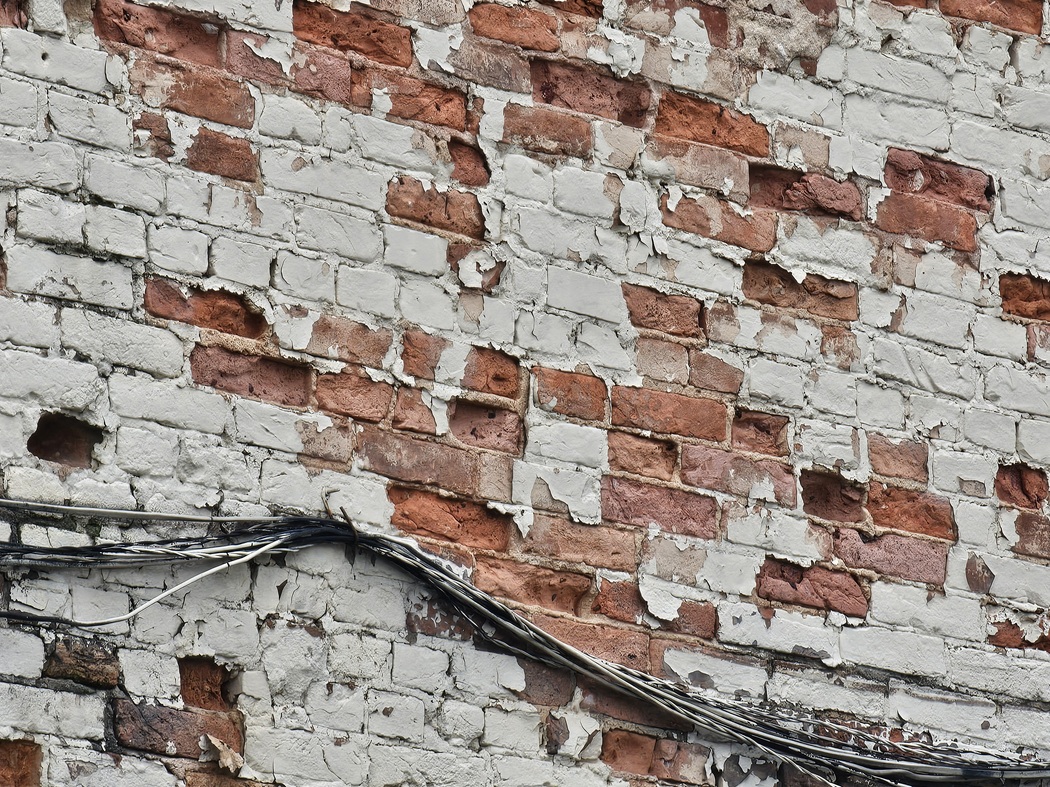
This past week, we looked at the same wall and facade, shown in the pictures below. We also looked at a similar but slightly different issue last year as well. A link to the article from last year is also shown here. In that article last year, we talked about some of the potential causes of this brick spalling. It was different; however, because that brick surface was not covered in paint. Last week, we discussed circumstances where we weren’t certain that paint is actually the culprit. We do know though that restricted or limited permeability can lead to issues of masonry and brick deterioration. Those problems can result in surface brick spalling. brick Spalling is the fracture and breakage of the exterior surfaces of the individual units of a masonry facade.
The concept is pretty simple. If moisture is not allowed to permeate freely, it can build up and lead to expansion in freeze-thaw conditions. Essentially, if there’s an impermeable membrane applied to the surface of the brick and the brick is significantly permeable then as moisture enters into the masonry, it can become trapped. The first question here should be: is the masonry otherwise residually covered in moisture? Also, in other cases where covered in an impermeable surface application, then how would moisture enter into the masonry? The answer is that even if there’s an impermeable and durable surface, there are still areas where the subsurface deteriorates and or shifts just enough to allow for small areas where moisture can enter. During rainstorms and typical cycles of precipitation, the surface of a masonry building like this one will be the area of the facade is not so quite highly elevated away from the ground, rising damp and splashback would generally be significant factors.
Once moisture enters into those small areas, it would absorb into the brickwork because the brick, particularly in the case of historic masonry, is semi-permeable. As that moisture enters, with a less permeable surface application such as a paint, the moisture can build up. During freezing temperatures, that moisture would turn to ice. Ice expands at a rate much greater than water in liquid form. During that process of expansion, the force is significant and the ice can cause the surface of the brick to break. In the case of a highly saturated area of masonry, during freezing conditions, ice will lead to breaking because the force of freezing water is significant.
The concept of frost heave is relatively well known in the construction and real estate industries. Even without being an engineer, many people understand that the buildup of moisture and the strength of freezing moisture can be so strong that it can even lift an entire building. This is one of the reasons that we are required to build to a point that goes to or below the frost line, here in Washington dc. Even though this issue of frost heave and building foundations at the frost line are not related to brick spalling, there are similarities in the concept of the damage that can be caused by the extreme strength of freezing moisture.
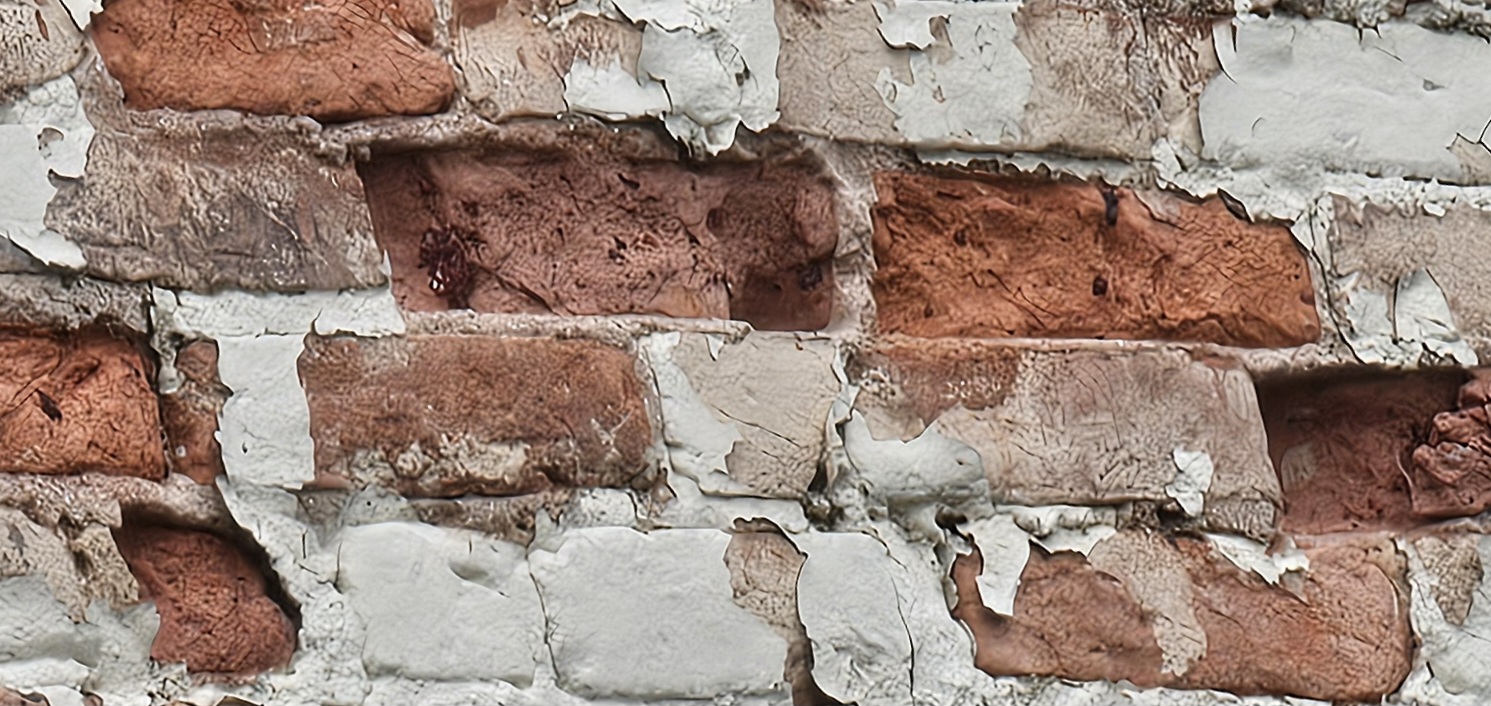
For understanding the conditions that we are describing here, look at it just in the smaller context of the surface of the brick. Even though these historic bricks are somewhat permeable, at the surface there are generally not enough empty pores to accommodate the growing space of expanding ice. The matrix of brick masonry is rigid and tight. Even with pockets of permeability, molecules of expanding water cannot reach into those spaces without causing force and therein damage. Freezing water in a confined space can generate immense pressures. This force can be way more than the tensile strength of most masonry materials. To make it all worse, historic masonry materials generally have a lower tensile resistance than modern materials. That means that historic bricks are even less suited to resistance to this type of damage.
And although this type of freeze thaw related damage may be the reason for the extreme extent of deterioration, we are not certain. We want to mention that there is another potential factor. Technically, there are several different factors and the ones were mentioning here are just the ones of highest potential and probability. One that we didn’t touch on so far, though, is that it’s possible that the brick used at this building is particularly susceptible, even more than usual. Historic brick was fired at a relatively low temperature. That firing temperature was generally good enough for use in historic buildings and if properly maintained and preserved, particularly through proper repointing, these buildings can last for many centuries. We see buildings well maintained, throughout the city of Washington DC, because many of these buildings are well over 100 years old. However, if a particular batch or series of batches of brick were accidentally or unintentionally fired at an even lower than normal temperature, it can lead to large amounts of brick being created and used that lack compressive strength. Lower than normal temperature fired bricks would also lack even a moderate degree of impermeability. More important than anything else though, we highly recommend repointing masonry on a proactive timetable and we highly recommend using a skilled masonry specialist such as ourselves.
Our company, Dupont Tuckpointing and Masonry, specializes in masonry restoration, historic brick repointing, and tuckpointing services in the Washington D.C. area. These buildings are uniquely historic, and their preservation requires skilled masons who are technically trained in the best practices and knowledge of proper restoration techniques.
We understand the significance of maintaining the architectural integrity of these historic structures, and our team of experienced professionals is dedicated to delivering exceptional craftsmanship. Whether you require masonry restoration, tuckpointing, or brick Spalling repointing services, we are here to help.
At Dupont Tuckpointing and Masonry, we take pride in our work and strive to ensure that every project is executed with the utmost care and attention to detail. We are committed to preserving the rich heritage of Washington D.C.’s built environment for generations to come.
If you have any questions or needs regarding masonry restoration, historic brick repointing, or tuckpointing services, please do not hesitate to reach out to us. We would be delighted to assist you and provide you with the expertise and quality workmanship that your historic property deserves.
You can reach us by telephone at (202) 796-7644 and you can reach us by email from the contact form on our website at https://duponttuckpointingmasonrydc.com/contact-us/