Continuing Challenges: Balancing Hard Mortars with Soft Brick
The evolution of mortar composition parallels the development of brick manufacturing. These elements are linked, as the manufacturing processes and firing temperatures increased in the evolution of brick manufacturing, mortars also evolved in parallel. Historic mortars were primarily lime-based, composed of lime, sand, and water. These lime mortars were relatively soft and porous, with compressive strengths typically ranging from 100 to 350 psi. The softness and porosity of lime mortars complemented the characteristics of historic bricks, allowing for flexibility in the masonry system and facilitating the movement of moisture through a wall assembly.
In contrast, modern mortars often use Portland cement as a primary binder. Portland cement, (re)invented in the 19th century and widely adopted in the early parts of the 20th century, produces mortars with significantly higher compressive strengths, often ranging from 750 to 3,000 psi or higher. These cement-based mortars also exhibit much lower permeability compared to lime mortars, restricting the movement of moisture through the mortar joints. Modern Motors with Portland cement, have these characteristics of lower permeability and higher compressive strength. These characteristics are generally considered to be better or higher performance characteristics, yet they are not necessarily required for a building to last hundreds or even thousands of years.
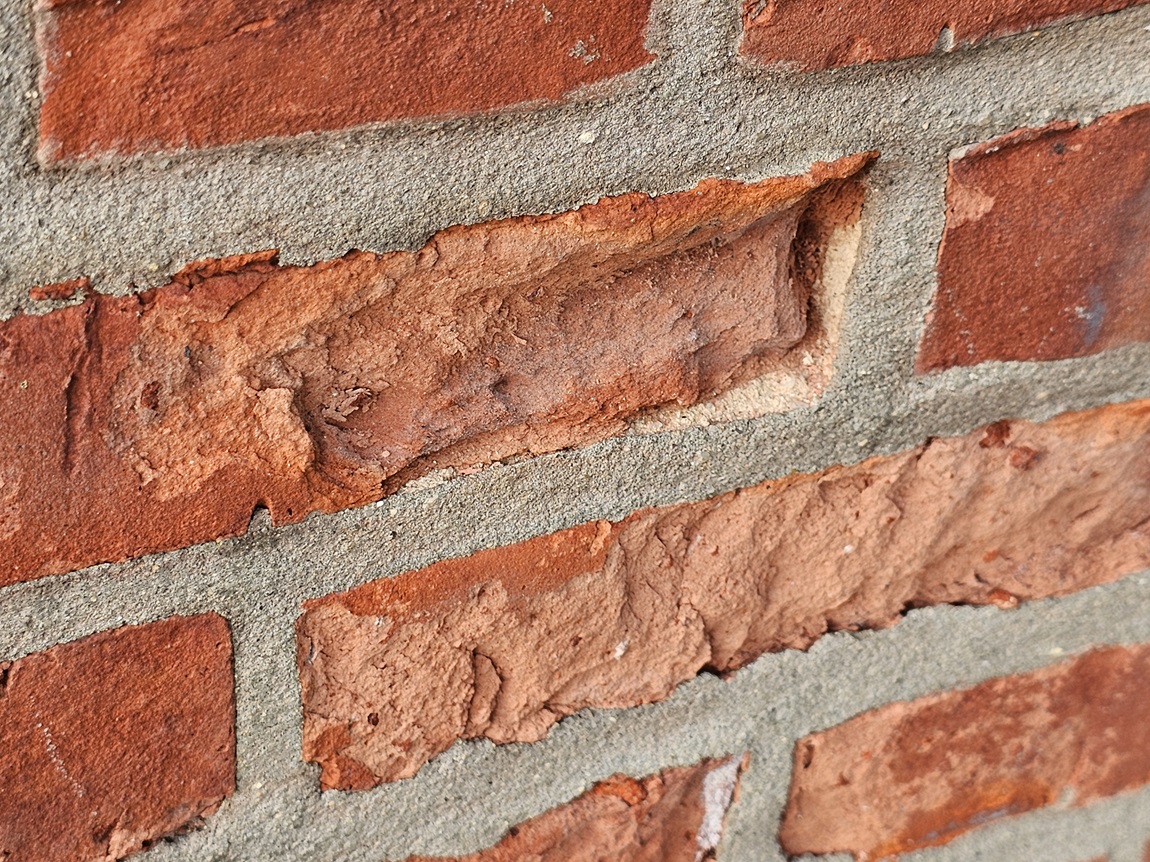
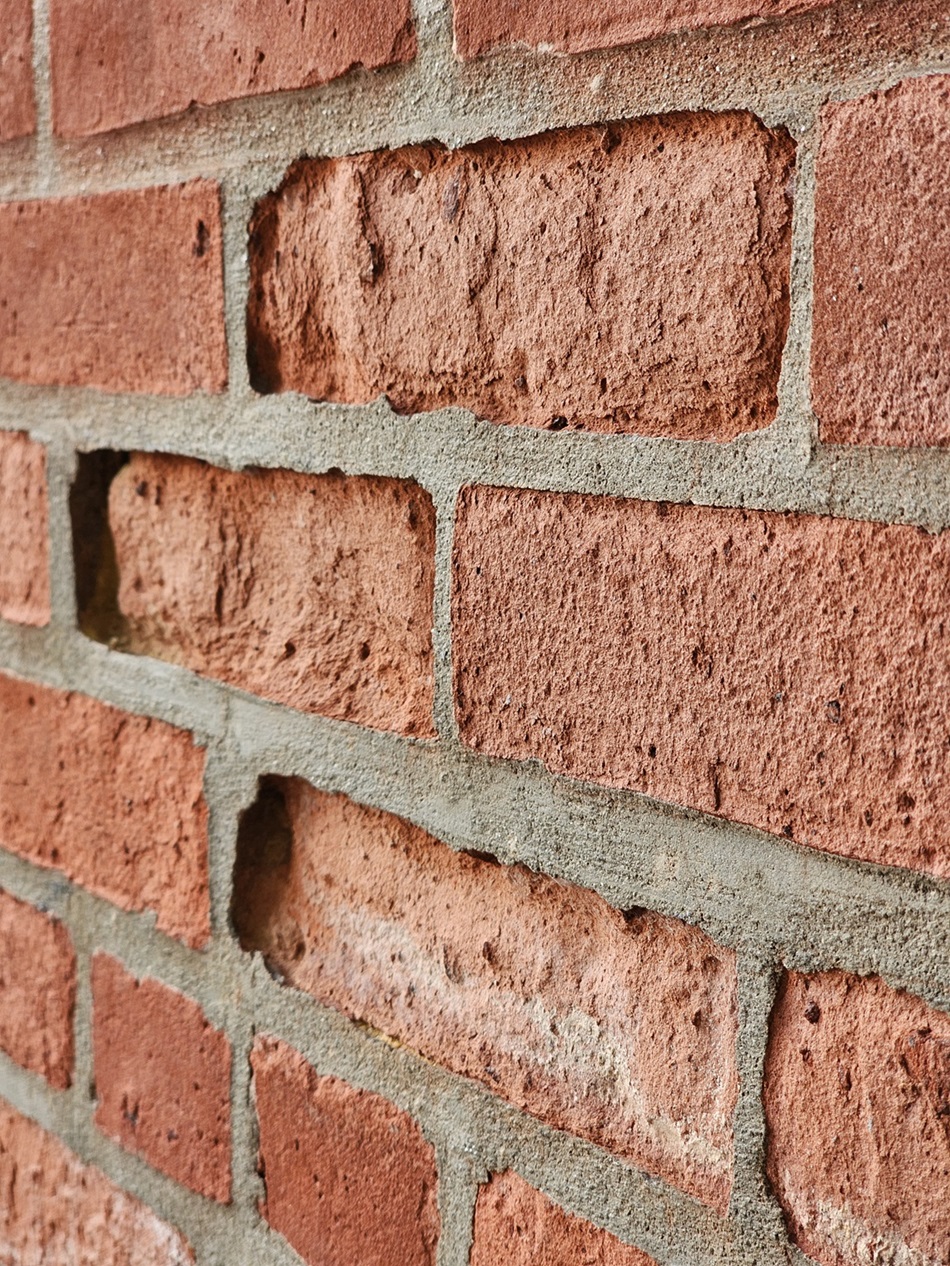
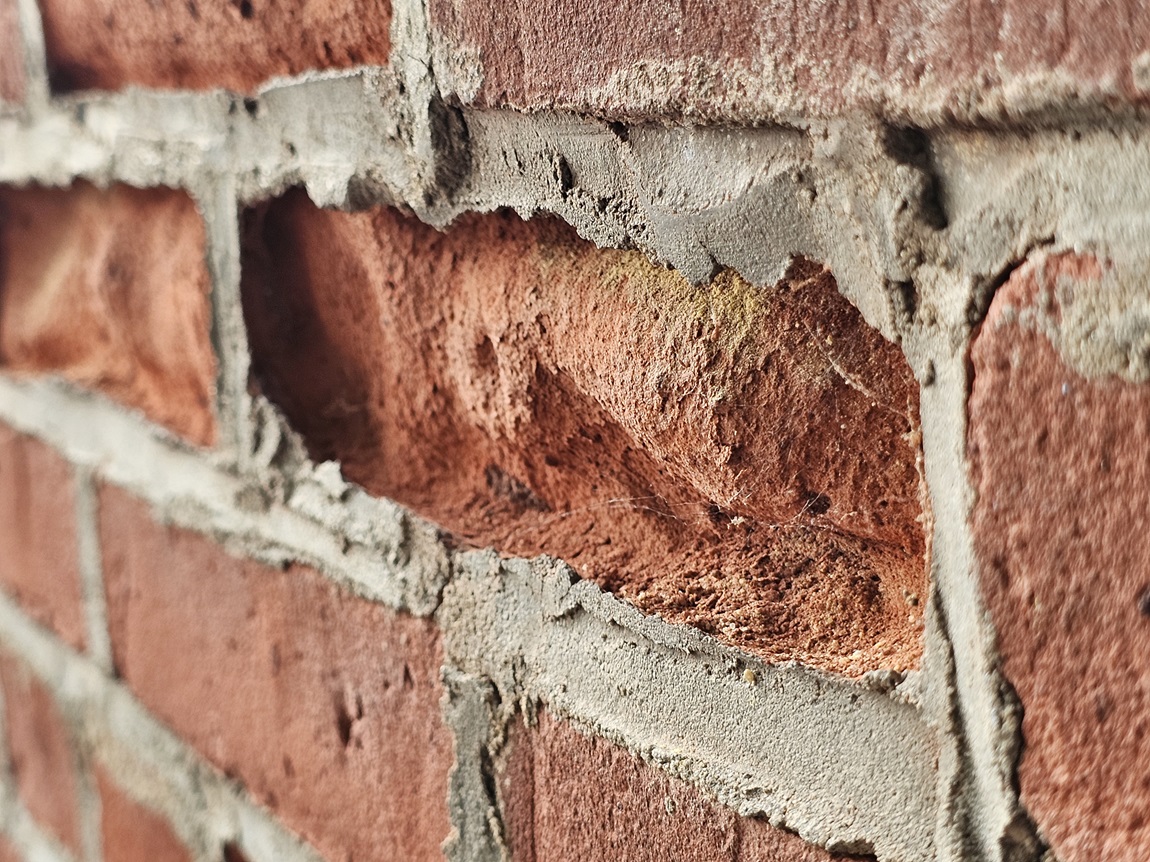
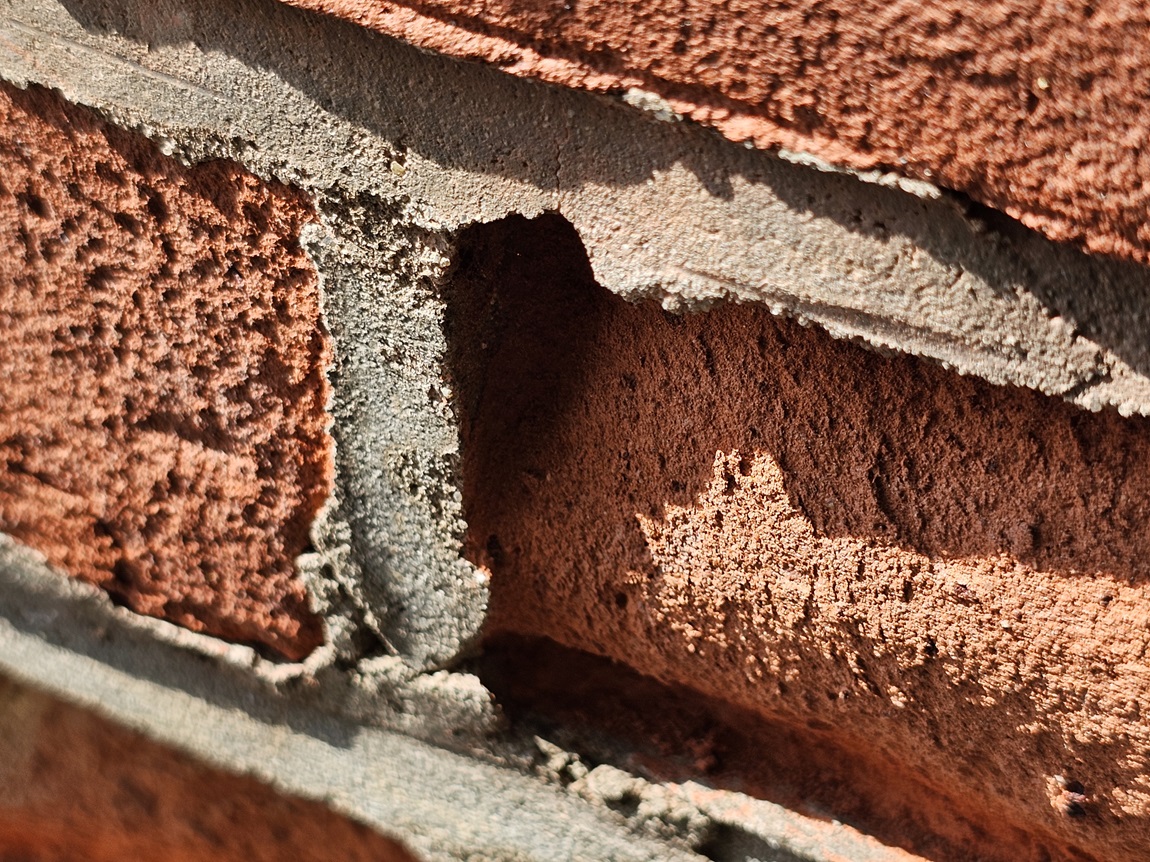
The picture below shows an example of a historic wall built with low temperature fire bricks and then later in more recent years repointed with a modern hard mortar. This modern hard mortar can cause significant damage to the soft brickwork. Here you can see the hard water is literally breaking the face off of the bricks.
The compatibility issues between historic bricks and modern mortars stem from these fundamental differences in material properties. The higher strength and lower permeability of cement-based mortars can lead to several destructive problems when used with historic masonry. Firstly, the stark difference in compressive strength between the soft historic bricks and the hard modern mortar creates a mismatch in how the masonry system responds to structural loads and environmental stresses. In a wall assembly, the mortar joints are intended to act as sacrificial elements, absorbing minor movements and stresses to protect the more durable brick units. When modern, high-strength mortars are used with historic bricks, this relationship is inverted. The mortar becomes the stronger, less flexible component, potentially leading to stress concentration and damage in the softer brick units.
 Furthermore, the low permeability of cement-based mortars significantly alters the moisture dynamics within the masonry wall. Historic brick and lime mortar assemblies were designed to allow a certain degree of moisture movement, facilitating the natural wetting and drying cycles that buildings experience. This permeability was crucial for the longevity of the masonry, as it allowed moisture that penetrated the wall to evaporate readily. When impermeable cement mortars are introduced into this system, they can trap moisture within the wall assembly. This trapped moisture can lead to a variety deterioration mechanisms, including freeze-thaw damage, efflorescence, and accelerated weathering of the brick units. We talked about most of these items, pretty extensively, here on our website in the past and will continue examining and exploring the conditions and scenarios that lead to and others that can conversely prevent damage. In colder climates, the trapped moisture can freeze and expand, causing spalling and cracking of the brick faces.
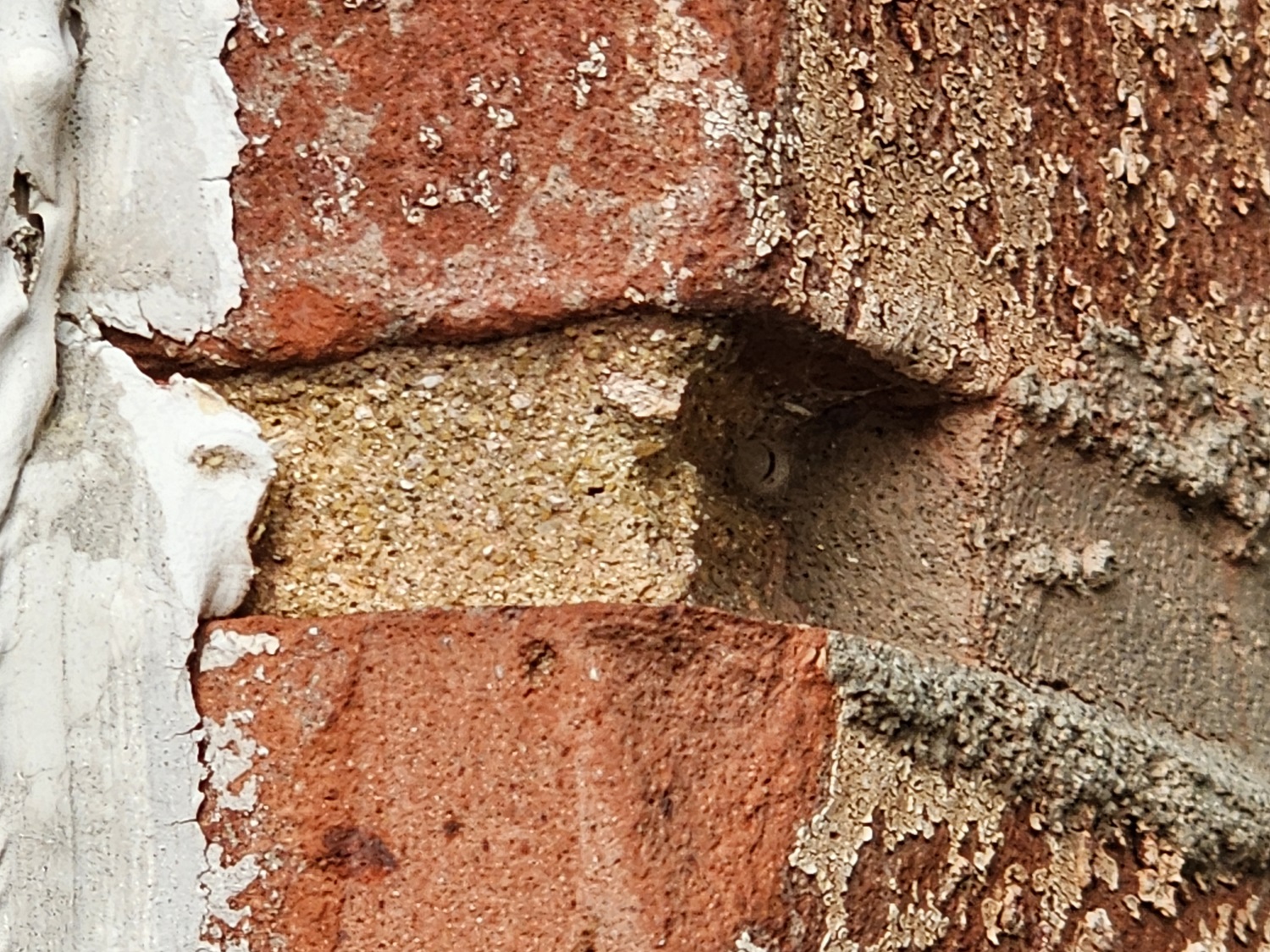
At the corner, next to a window opening, they didn’t repoint the edge of the brick at the head side, but due to a lack of compatibility with the substrate and differences in micromovements of the mortars, the modern mortar has delaminated and separated from the substrate.
The use of modern mortars for repointing historic masonry can exacerbate these issues.
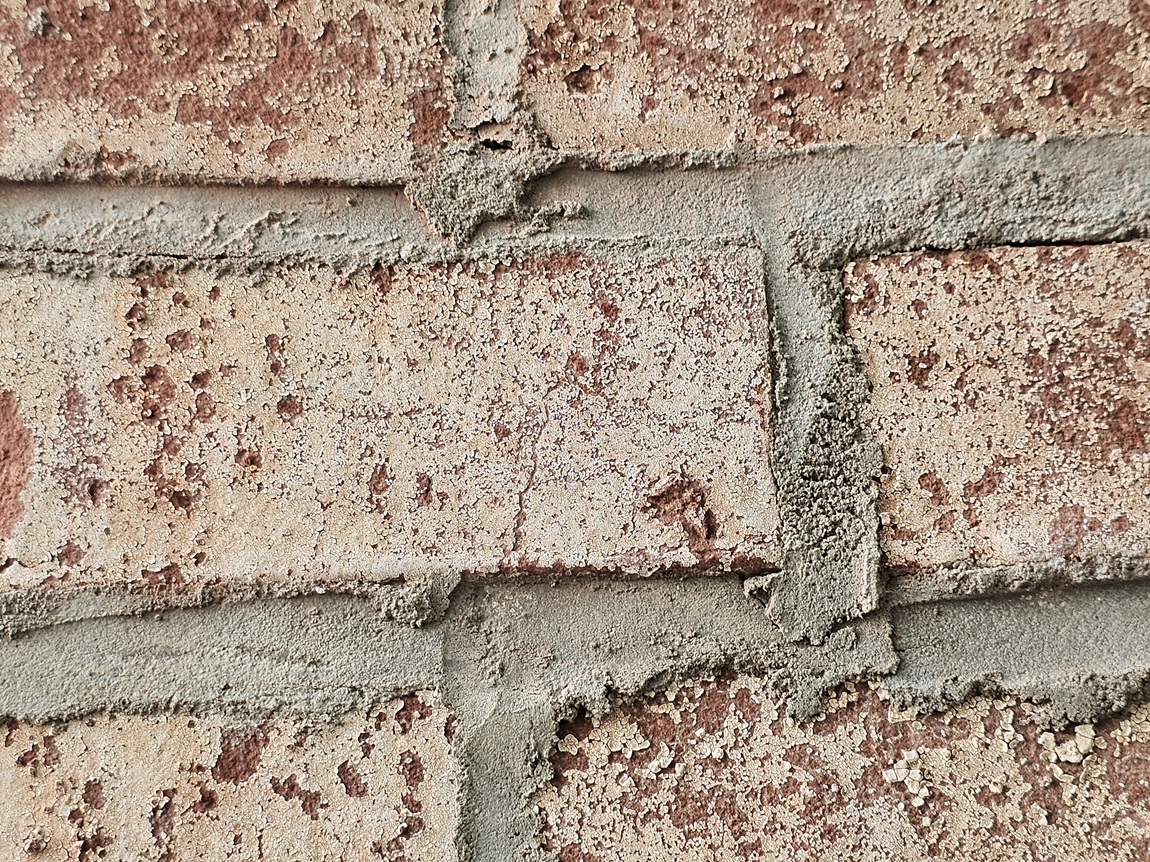
Repointing, the process of replacing deteriorated mortar in the joints of existing masonry, is a critical maintenance activity for historic buildings. When cement-based mortars are used for repointing, they not only introduce the aforementioned compatibility issues but can also make future maintenance more difficult. The high strength of cement mortars often means that they can only be removed from joints by mechanical means, risking damage to the surrounding historic brick. Additionally, the hard mortar can create a watertight seal at the surface of the joint while allowing water to penetrate deeper into the wall through small cracks or imperfections. This can lead to hidden moisture accumulation and damage that may not be apparent until significant deterioration has occurred.
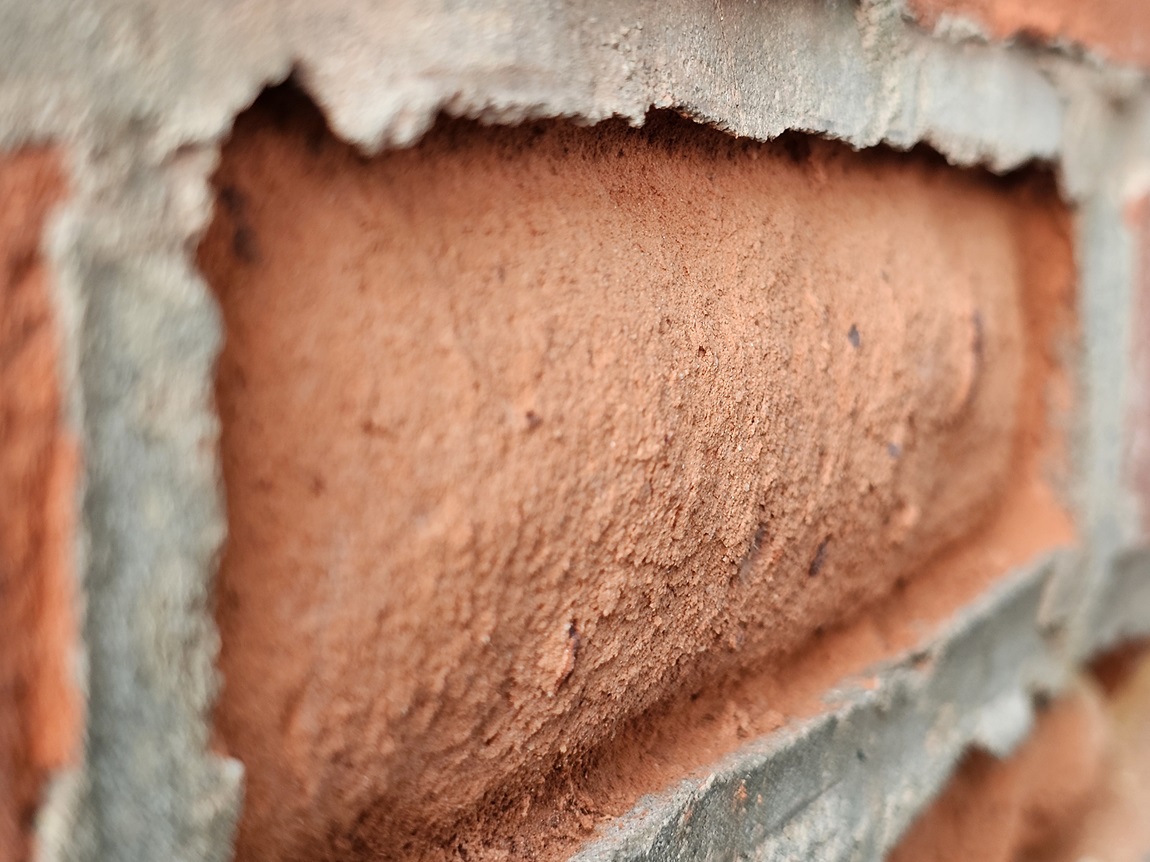
The root causes of the deterioration and damage caused by incompatible mortars in historic masonry systems can be traced to three primary factors: differences in compressive strength, variations in permeability, and disparities in thermal and moisture expansion characteristics. The compressive strength mismatch, as previously discussed, can lead to stress concentration and mechanical damage in the softer brick units. The permeability differences affect the wall assembly’s ability to manage moisture, potentially leading to trapped water and associated decay mechanisms. Lastly, the thermal and moisture expansion characteristics of cement mortars often differ significantly from those of historic bricks and lime mortars. As temperature and moisture levels fluctuate, the various components of the masonry system expand and contract. When these movements are not compatible, it can result in cracking, spalling, and other forms of physical damage to the masonry units.
Understanding these material interactions is crucial for the proper preservation and maintenance of historic masonry structures. The choice of materials for repair and restoration must be based on a thorough understanding of the existing masonry system’s properties and behavior. In many cases, the use of lime-based mortars or carefully formulated “soft” cement mortars that more closely match the properties of the historic materials is recommended for repointing and repair work. These compatible mortars help maintain the intended performance of the masonry system, allowing it to manage moisture and structural stresses in a manner consistent with its original design. By learning and understanding the material science underlying historic masonry construction, restoration specialists like our company, work to restore and bolster the longevity of these buildings.
If you are looking for a masonry restoration contractor that takes historic preservation seriously, reach out to us. Our company can help.
You can reach us by telephone at (202) 796-7644 and you can reach us by email from the contact form on our website at https://duponttuckpointingmasonrydc.com/contact-us/.